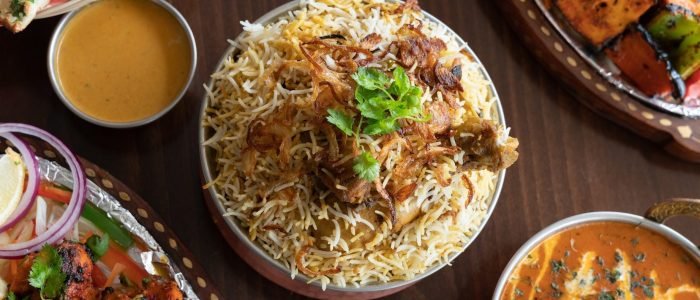
The vibrant tapestry of Indian gastronomy owes much to the indelible imprint of the Mughal Empire. Yet, tracing the lineage of its most exquisite contributions often leads not just to the imperial capitals, but to vibrant provincial centers where courtly traditions mingled with local terroir. Bareilly, perhaps unexpectedly, holds a unique chamber within this culinary chronicle. Its distinct Mughlai flavour profile, honed over centuries, whispers tales of refinement and resourcefulness far from Delhi’s grand centres, offering a compelling study in regionalised palatal inheritance.
Novelty Plaza, Civil Lines, Bareilly, Uttar Pradesh 243001, India
+91 95577 72261
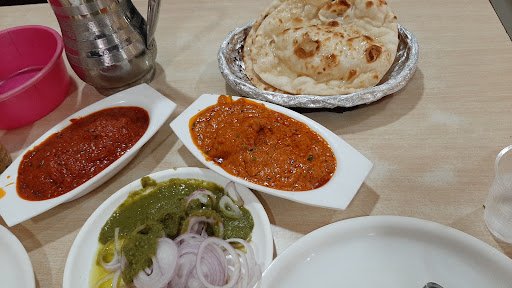
Delhi Mughlai Food in Bareilly’s Novelty Plaza offers a taste of imperial richness, where the heavy cloak of North Indian culinary tradition settles upon the palate with aromatic spice and evident history. While the address—Civil Lines, 243001—pins it firmly to Uttar Pradesh, the very name suggests a lineage tracing back to the grand kitchens of the Mughal courts, promising slow-cooked depth and complex gravies rather than ephemeral novelty. Perhaps a rating of 3.8 reflects a grounding in regional execution, yet one can’t help but wonder if these carefully crafted flavors carry the ghost of a more extravagant past within their folds, serving as a familiar anchor in India’s ceaseless food narrative.
| Thursday | 10 AM–11:30 PM |
| Friday | 10 AM–11:30 PM |
| Saturday | 10 AM–11:30 PM |
| Sunday | 10 AM–11:30 PM |
| Monday | 10 AM–11:30 PM |
| Tuesday | 10 AM–11:30 PM |
| Wednesday | 10 AM–11:30 PM |
More information
Beyond the famed butter chicken, what authentic, perhaps lesser-known, Mughlai staples should one seek out when experiencing this rich culinary tradition in Delhi?
While the grandeur of Butter Chicken often steals the spotlight, a true exploration of Delhi Mughlai cuisine necessitates delving into dishes that showcase its royal, Persian-influenced heritage. Consider searching for Nihari, a slow-cooked shank stew often served for breakfast, renowned for its gelatinous richness and depth of flavor, traditionally accompanied by *kulcha*. Another essential exploration involves Korma, which should ideally be subtle and creamy, relying on yogurt, nuts, and delicate spices rather than overwhelming tomato bases, offering a subtle masterclass in slow cooking and aromatic balance.
How does the characteristic use of nuts, cream, and dried fruits in Mughlai food distinguish it from the sharper, spicier profiles found in many other North Indian regional cuisines?
The distinguishing characteristic of Mughlai cuisine lies in its inherent refinement, born from courtly patronage where refinement often superseded raw heat. Where other regional styles lean into punchy chili heat or assertive tangs, Mughlai preparations use nuts (like almonds and cashews) and cream to provide body, texture, and a subtle sweetness that mellows the spice palette. This creates dishes characterized by their ‘white’ or light-colored gravies, prioritizing an experience of luxurious richness and aromatic complexity over aggressive spiciness—a true culinary narrative of opulence.
Is authentic Delhi Mughlai food still predominantly found only in the very high-end heritage restaurants, or are there accessible, quality preparations available in more local or neighborhood settings?
While iconic, upscale establishments certainly preserve many intricate historical recipes, the democratization of the Mughlai legacy means that excellent preparations can be found throughout Delhi, often near older city areas like Old Delhi or in established local spots that have refined techniques over generations. One must look beyond the tourist sheen to places known locally for their *biryanis* or slow-cooked *kebabs*; these locales often embody a practical authenticity, providing that deep, satisfying flavor profile without the accompanying fine-dining price tag.
What role did the tandoor oven play in shaping the texture and flavor profiles of key Mughlai breads and meat preparations, and how does this cooking method influence the overall dining experience?
The tandoor, a clay oven with fiercely high, radiant heat, is absolutely fundamental to the Mughlai kitchen, acting as the cornerstone for signature meat dishes and breads. This intense, dry heat ensures that meats like *seekh kebabs* and *tikkas* achieve a smoky char on the outside while remaining juicy and tender within, locking in aromatic marinades. Similarly, breads such as Naan balloon and char beautifully, providing the perfect, slightly crisp vessel to scoop up rich gravies, creating a vital textural contrast in the meal.
Related Posts
LIQUORE, Family Restaurant
Kaafila
Mahi’s Kitchen-The taste of Biriyani
Azad Hind Dhaba
Food Express
C2 RESTAURANT
Bombay Shiv Sagar
Badh-E-Dewan
Añadir comentario