Aurangabad. The very name resonates with history, a crucible where Maratha ambition and Mughal elegance once collided. Yet, beyond the silhouette of Bibi Ka Maqbara, a quieter, yet equally profound, narrative unfolds on the streets: that of its plate. To seek authentic food here is not merely to hunt for flavor; it is an excavation into regional identity, a tactile understanding of Deccan soil translated onto a thali. This is where culinary tradition becomes an act of memory, resilient against globalization’s homogenized tide. What flavors define this ancient city now, and how do they whisper the stories of their provenance?
The Spice Trails & Storytellers: Unearthing Aurangabad’s True Culinary Soul
Indiana’s Red Velvet Veg Restaurant
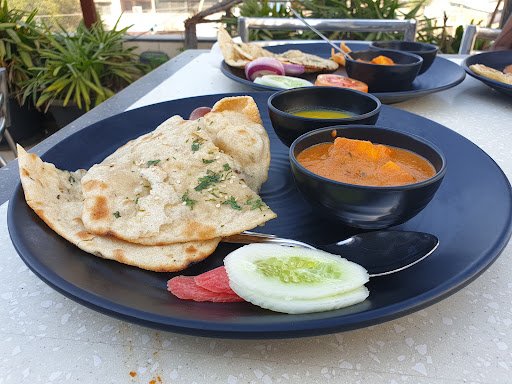
203, 204, 2nd Floor, Olumpus, Fortius C, Shivaji Nagar Rd, near Sutgirni Chowk, Gadia Vihar, Chhatrapati Sambhajinagar, Maharashtra 431009, India
+91 88888 10064
| Friday | 10 AM–11 PM |
| Saturday | 10 AM–11 PM |
| Sunday | 10 AM–11 PM |
| Monday | 10 AM–11 PM |
| Tuesday | 10 AM–11 PM |
| Wednesday | 10 AM–11 PM |
| Thursday | 10 AM–11 PM |
The Vegan Veg Restaurant
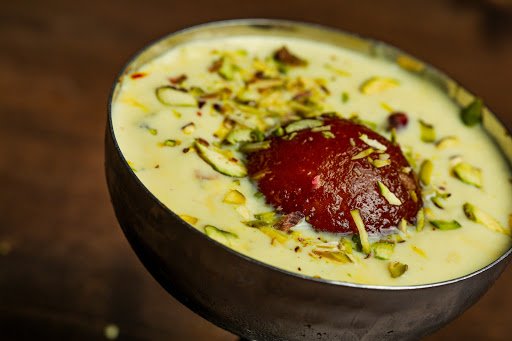
Ginger Hotel, Railway Station Rd, Venkateshwar Colony, Bansilal Nagar, New Usmanpura, Chhatrapati Sambhajinagar, Maharashtra 431005, India
+91 77209 59595
| Friday | 11 AM–11 PM |
| Saturday | 11 AM–11 PM |
| Sunday | 11 AM–11 PM |
| Monday | 11 AM–11 PM |
| Tuesday | 11 AM–11 PM |
| Wednesday | 11 AM–11 PM |
| Thursday | 11 AM–11 PM |
Green Leaf Vegetarian Cuisine
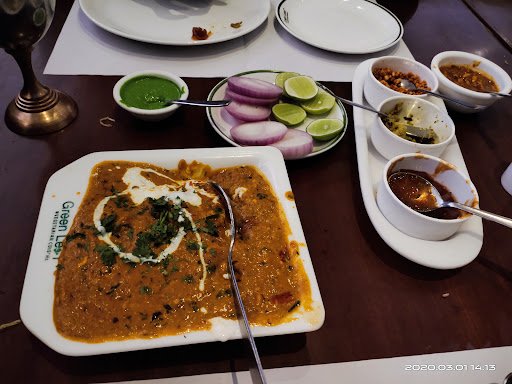
Shop No 6 to 9, Block J B, Town Centre, N 1, Cidco, beside Inox Tapadiya, Chhatrapati Sambhajinagar, Maharashtra 431003, India
+91 92605 00400
| Friday | 12–10:30 PM |
| Saturday | 12–10:30 PM |
| Sunday | 12–10:30 PM |
| Monday | 12–10:30 PM |
| Tuesday | 12–10:30 PM |
| Wednesday | 12–10:30 PM |
| Thursday | 12–10:30 PM |
Shahi Bhoj Thali Restaurant
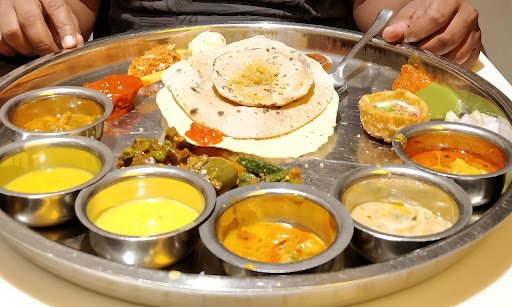
Bus Stand, C-2, next to Fame Inox Cinema, near Cidco, Sector C/3, Town Centre, N 1, Cidco, Chhatrapati Sambhajinagar, Maharashtra 431003, India
+91 80077 08060
| Friday | 12–3:30 PM, 7–10:30 PM |
| Saturday | 12–3:30 PM, 7–10:30 PM |
| Sunday | 12–3:30 PM, 7–10:30 PM |
| Monday | 12–3:30 PM, 7–10:30 PM |
| Tuesday | 12–3:30 PM, 7–10:30 PM |
| Wednesday | 12–3:30 PM, 7–10:30 PM |
| Thursday | 12–3:30 PM, 7–10:30 PM |
Spice Square – Pure Veg Restaurant
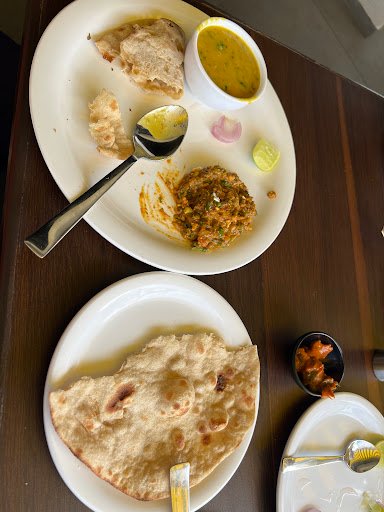
Samarthnagar Rd, Savarkar Chowk, Chh, Nirala Bazar, Chhatrapati Sambhajinagar, Maharashtra 431001, India
+91 77360 36333
| Friday | 8 AM–11 PM |
| Saturday | 8 AM–11 PM |
| Sunday | 8 AM–11 PM |
| Monday | 8 AM–11 PM |
| Tuesday | 8 AM–11 PM |
| Wednesday | 8 AM–11 PM |
| Thursday | 8 AM–11 PM |
iyer’s Authentic
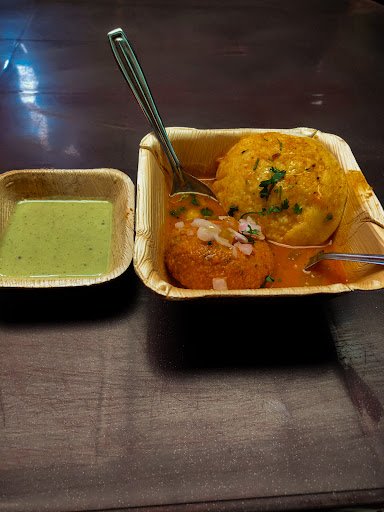
Plot No 247, opp. V N Patil Law College, near Shivchhatrapati College, Kamgar Chowk, N 3, Cidco, Chhatrapati Sambhajinagar, Maharashtra 431003, India
+91 87677 79586
| Friday | 8 AM–3 PM |
| Saturday | 8 AM–3 PM |
| Sunday | 8 AM–3 PM |
| Monday | 8 AM–3 PM |
| Tuesday | 8 AM–3 PM |
| Wednesday | 8 AM–3 PM |
| Thursday | 8 AM–3 PM |
Indiana Veg Restaurant and Cake Boutique
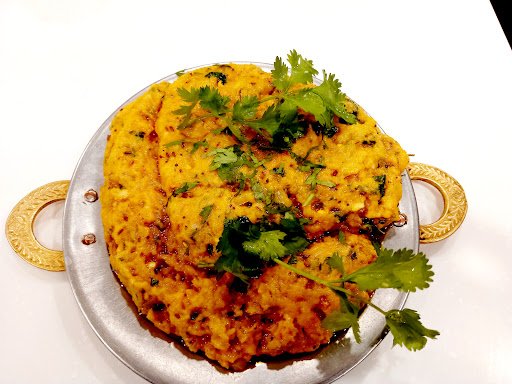
Plot No, 2, Jalna Rd, next to New HighCourt, N 3, Cidco, Chhatrapati Sambhajinagar, Maharashtra 431009, India
+91 95454 73212
| Friday | 8 AM–11 PM |
| Saturday | 8 AM–11 PM |
| Sunday | 8 AM–11 PM |
| Monday | 8 AM–11 PM |
| Tuesday | 8 AM–11 PM |
| Wednesday | 8 AM–11 PM |
| Thursday | 8 AM–11 PM |
Ashoka Veg Restaurant
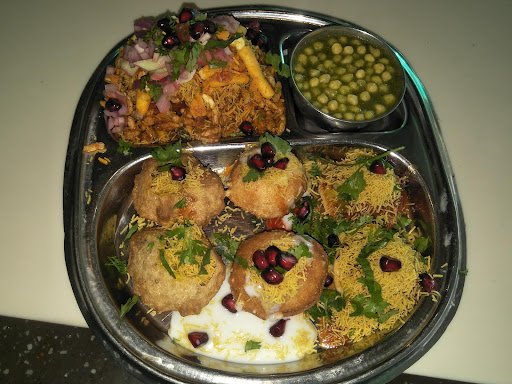
Sanmitra Colony, Nirala Bazar, Chhatrapati Sambhajinagar, Maharashtra 431001, India
+91 93710 33383
| Friday | 7:30 AM–11 PM |
| Saturday | 7:30 AM–11 PM |
| Sunday | 7:30 AM–11 PM |
| Monday | 7:30 AM–11 PM |
| Tuesday | 7:30 AM–11 PM |
| Wednesday | 7:30 AM–11 PM |
| Thursday | 7:30 AM–11 PM |
Madhuban Restaurant Aurangabad
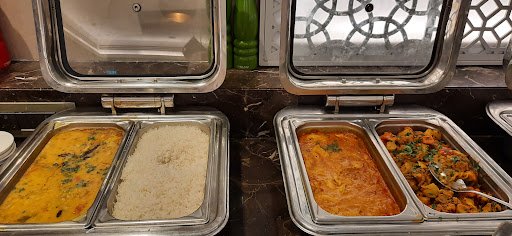
Welcomhotel Rama International R-3, Chikalthana, R-3, Jalna Rd, Chilkalthana, Chhatrapati Sambhajinagar, Maharashtra 431003, India
+91 240 663 4141
| Friday | Open 24 hours |
| Saturday | Open 24 hours |
| Sunday | Open 24 hours |
| Monday | Open 24 hours |
| Tuesday | Open 24 hours |
| Wednesday | Open 24 hours |
| Thursday | Open 24 hours |
Latitude Restaurant – Gateway Aurangabad
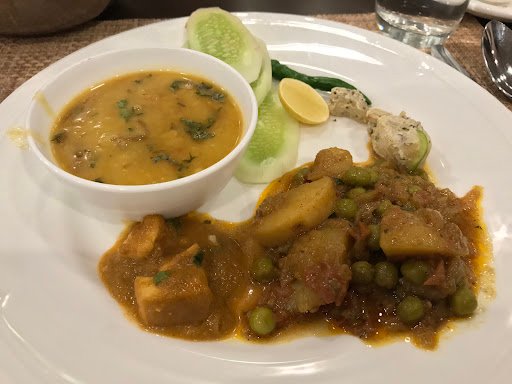
Vivanta, 8-N-12, Rauza Bagh Rd, Rauza Baug, N 2, Cidco, Chhatrapati Sambhajinagar, Maharashtra 431003, India
+91 240 261 3737
| Friday | Open 24 hours |
| Saturday | Open 24 hours |
| Sunday | Open 24 hours |
| Monday | Open 24 hours |
| Tuesday | Open 24 hours |
| Wednesday | Open 24 hours |
| Thursday | Open 24 hours |
Echoes of the Deccan: Unearthing the Culinary Soul of Aurangabad
The culinary tapestry of Aurangabad, woven tightly with threads of Marathwada tradition, Mughal influence, and resilient local agriculture, offers far more than mere sustenance; it presents a living historical narrative told through spice and technique. To decode its authenticity is to navigate the subtle shifts from the imperial kitchens that once graced the Nizam’s court to the robust, pragmatic flavors preferred by the Deccan soil, where dishes like *naan qalia* and specific regional *bhakris* act as tangible links to a complex cultural convergence, demanding more than superficial tasting to truly apprehend their palatable heritage.
The Enduring Legacy of the Qalia: Mughlai Meets Marathwada
The preparation of naan qalia, Aurangabad’s iconic flagship dish, serves as a perfect metaphor for the city’s historical layers, representing a masterful hybridization where the refinement of Mughal court cooking confronts the deep, earthy assertiveness of local Maharashtrian ingredients. Its slow-cooked depth and complex, balanced heat signify a culinary détente achieved centuries ago, resulting in a gravy so rich it requires specially made, leavened *naan* to absorb its essence, illustrating that authenticity here is found in *fusion*, not purity.
Millets and Resilience: The Importance of Bajra and Jowar
Beneath the refinement of richer preparations lies the backbone of regional sustenance: the ancient grains like bajra (pearl millet) and jowar (sorghum), which dictate the very texture and character of everyday *rotis* and *bhakris* across the Deccan plateau. This reliance on hardier millets speaks not just to agricultural necessity dictated by drier climates, but to a deep-seated cultural preference for robust, textured bread capable of standing up to intense curries, providing a grounding counterpoint to more ephemeral wheat-based foods.
Street Food Signatures: The Velocity of Culinary Conversation
Aurangabad’s streets pulse with rapid-fire culinary dialogues, perhaps most vibrantly through its distinctive street food repertoire, where simplicity often belies technical precision. From savory, lentil-infused snacks to tart, fiery chutneys hastily applied to various bites, these ephemeral offerings capture the city’s everyday pace and palate, functioning as quick, accessible snapshots of immediate, popular flavor profiles that evolve seasonally.
The Spice Palate: Identifying the Distinctive Deccan Masala Blend
To isolate the authentic flavor of Aurangabad requires recognizing the specific constellation of whole and ground spices utilized, a regional *masala* that often favors ingredients like dagad phool (stone flower) and an intense, sun-dried chili that differentiates its profile significantly from that of Khandeshi or coastal Marathi cuisine. This nuanced blend isn’t written in recipe books; it’s transferred orally and understood intrinsically by the seasoned *masala* grinder.
The Water Element: How Terroir Shapes Culinary Technique
The underlying quality of the local water, mineral composition heavily influenced by the underlying basaltic Deccan Traps rock, subtly dictates everything from the texture achieved in slow-cooking lentils to the leavening capacity of fermented batters. This often-ignored geological context subtly enforces certain culinary methods—demanding longer soaking times or different ratios of acid—meaning the *terroir* dictates authenticity almost as much as the choice of ingredients.
https://youtube.com/watch?v=ZozsnuFCikY
More information
What defines the ‘authentic’ flavor profile of Aurangabad’s regional cuisine amidst the broader Maharashtrian culinary spectrum?
Authenticity in Aurangabad cuisine lies in its cross-cultural synthesis, distinctly blending traditions from Marathwada, Khandesh, and the Nizam’s influence, creating a rich tapestry that deviates from typical Pune or Mumbai staples. Key identifiers include the pervasive use of jowar (sorghum)-based breads like bhakri, the characteristic sharpness derived from local spice blends, and unique slow-cooked meat preparations like Naan Qalia, which require specific preparation methodologies lost in generic North Indian imitations.
Beyond famous tourist spots, where can one find the most reliable street food experiences reflecting local life in Aurangabad?
To tap into the culinary substrate of the city, one must navigate beyond heavily trafficked commercial hubs. The most reliable street food encounters often reside near significant local landmarks or educational institutions, particularly those feeding into the Old City lanes (Paithan Gate areas). Look for vendors specializing in single items, as specialization often correlates with practiced, long-standing technique; the vendor exclusively serving piping hot Tulza Bhawani Vada Pav or fresh Misal early in the morning usually signals deep community integration and consistency.
How has the historical context of the city, particularly its time under the Nizams, structurally imprinted itself on the modern food landscape?
The Asaf Jahi patronage fundamentally elevated the culinary standards, introducing courtly sophistication. This historical stratum is most evident in the preference for Dum Pukht-style cooking techniques, which utilize low, slow heat to concentrate flavors, most notably in rich mutton or chicken gravies. This aristocratic influence contrasts sharply with the staple, spicier fare of the agrarian population, resulting in a dual gastronomy where the refined Qalia and sheer khurma coexist alongside robust, simple millet preparations.
What is the critical difference between preparing standard North Indian curries and specialized Aurangabad vegetarian staples like Pitla or Saoji preparations?
The divergence is primarily chemical and textural. While standard North Indian curries rely heavily on a tomato-onion base cooked down to a smooth emulsion, vegetarian Aurangabadi staples showcase different structural foundations. Pitla, for instance, is defined by the texture created by whipping chickpea flour (besan) directly into boiling water or buttermilk, forming a distinct, silken consistency without external thickening agents. Saoji cuisine, meanwhile, is famous for its aggressive use of regional, potent spices like fenugreek and black pepper, creating an aggressive, highly complex heat profile that far outpaces typical chili heat.
Related Posts
The Ultimate Guide to Authentic Food in Latur, India: Must-Try Dishes and Local Eateries
A Culinary Voyage: Unveiling the Unforgettable Flavors of Food in Thoothukkudi, India
Unearth the Hidden Flavors: Your Essential Guide to Food in Bhagalpur, India
Unveiling the Culinary Mosaic: Your Definitive Guide to Food in Sangli, India
The Essential Guide to Food in Rohtak, India: A Culinary Journey Made Simple
The Gastronomic Tapestry: A Vivid Exploration of Food in Udaipur, India
Jalgaon’s Culinary Canvas: Unveiling the Essential Flavors of Food in Jalgaon, India
The Hidden Flavors of Vellore: An Insider’s Guide to Food in Vellore, India
Añadir comentario