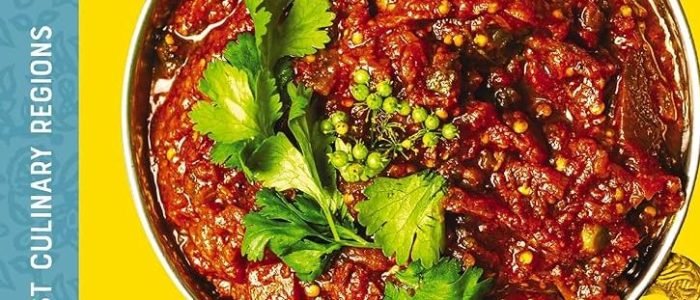
To speak of Bareilly is to engage a palate long marinated in history, a tapestry woven not just from visible architecture, but from volatile aromatics. Food here is rarely a mere sustenance; it functions as a potent, fragrant cipher. Each tempering of mustard oil, each grind of garam masala, unfurls an untold chronicle of trade routes, forgotten emperors, and the intimate vernacular of the kitchen. Beneath the surface gloss of a vibrant bazaar lies the unseen palate, where spices tell more nuanced truths than any printed history. To truly taste Bareilly is to listen intently to the silent dialogue between cardamom and clove, uncovering the soul carried within the simplest roti.
Where Cumin Seeds Whisper the Lore of Old Bareilly
Tea Spoon Restro and Cafe is a beautiful admospier
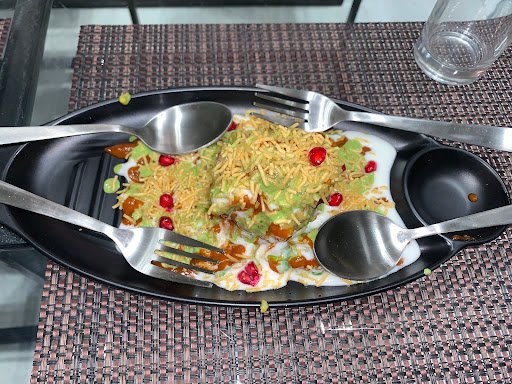
P3, 2, opp. Gangasheel Hospital, Deen Dayal Puram, Bareilly, Uttar Pradesh 243122, India
+91 80066 77660
| Thursday | 11 AM–11:15 PM |
| Friday | 11 AM–11:15 PM |
| Saturday | 11 AM–11:15 PM |
| Sunday | 11 AM–11:15 PM |
| Monday | 11 AM–11:15 PM |
| Tuesday | 11 AM–11:15 PM |
| Wednesday | 11 AM–11:15 PM |
The Green Door
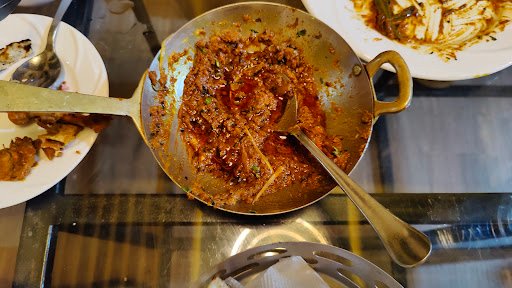
410, 411, Pilibhit Bypass Road, near Jyoti College, Mundia Ahmed Nagar, Bareilly, Uttar Pradesh 243122, India
+91 75059 07856
| Thursday | 12–11:45 PM |
| Friday | 12–11:45 PM |
| Saturday | 12–11:45 PM |
| Sunday | 12–11:45 PM |
| Monday | 12–11:45 PM |
| Tuesday | 12–11:45 PM |
| Wednesday | 12–11:45 PM |
Ananda
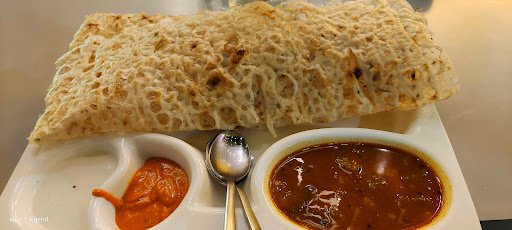
Mahesh HP(Petrol Pump Opp. MJPR University Main Gate, Pilibhit Bypass Rd, Bareilly, Uttar Pradesh 243006, India
+91 88688 81104
| Thursday | 10:30 AM–10:45 PM |
| Friday | 10:30 AM–10:45 PM |
| Saturday | 10:30 AM–10:45 PM |
| Sunday | 10:30 AM–10:45 PM |
| Monday | 10:30 AM–10:45 PM |
| Tuesday | 10:30 AM–10:45 PM |
| Wednesday | 10:30 AM–10:45 PM |
FLASHBACK (Cafe-Lounge-Eatery)
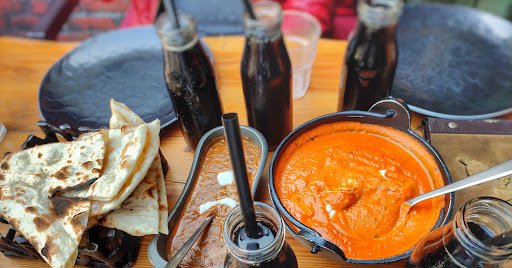
165/4, MODEL ROAD (SELECTION POINT TO SHEEL HOSPITAL, ROAD, Janakpuri, Bareilly, Uttar Pradesh 243122, India
+91 70174 45421
| Thursday | 11 AM–11 PM |
| Friday | 11 AM–11 PM |
| Saturday | 11 AM–11 PM |
| Sunday | 11 AM–11 PM |
| Monday | 11 AM–11 PM |
| Tuesday | 11 AM–11 PM |
| Wednesday | 11 AM–11 PM |
PIND BALLUCHI
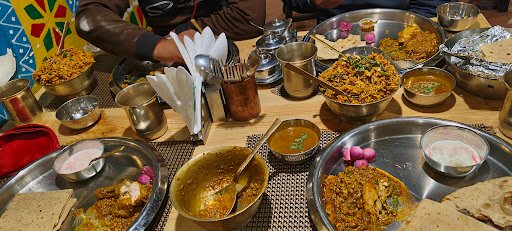
P-5/11, Stadium Rd, Deen Dayal Puram, Bareilly, Uttar Pradesh 243122, India
+91 95208 69696
| Thursday | 12–11 PM |
| Friday | 12–11 PM |
| Saturday | 12–11 PM |
| Sunday | 12–11 PM |
| Monday | 12–11 PM |
| Tuesday | 12–11 PM |
| Wednesday | 12–11 PM |
Punjabi By Taste
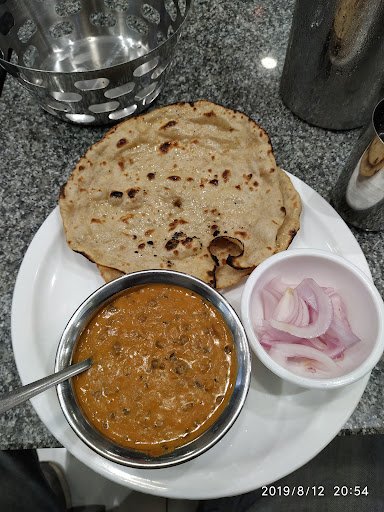
Station Rd, Civil Lines, Bareilly, Uttar Pradesh 243001, India
+91 76176 99777
| Thursday | 7 AM–1 AM |
| Friday | 7 AM–1 AM |
| Saturday | 7 AM–1 AM |
| Sunday | 7 AM–1 AM |
| Monday | 7 AM–1 AM |
| Tuesday | 7 AM–1 AM |
| Wednesday | 7 AM–1 AM |
DeraKhas Cafe & Restro

C, 20, near Sheel Chauraha, Gandhi Nagar, Rajendra Nagar, Bareilly, Uttar Pradesh 243122, India
+91 87551 45954
| Thursday | 12–11 PM |
| Friday | 12–10 PM |
| Saturday | 10 AM–10 PM |
| Sunday | 10 AM–11 PM |
| Monday | 12–11 PM |
| Tuesday | 12–11 PM |
| Wednesday | 12–11 PM |
Delhi Mughlai Food
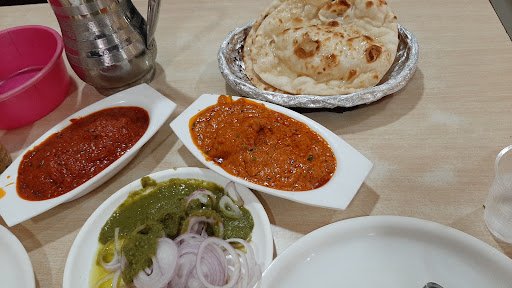
Novelty Plaza, Civil Lines, Bareilly, Uttar Pradesh 243001, India
+91 95577 72261
| Thursday | 10 AM–11:30 PM |
| Friday | 10 AM–11:30 PM |
| Saturday | 10 AM–11:30 PM |
| Sunday | 10 AM–11:30 PM |
| Monday | 10 AM–11:30 PM |
| Tuesday | 10 AM–11:30 PM |
| Wednesday | 10 AM–11:30 PM |
Dhaba Santa Banta Da
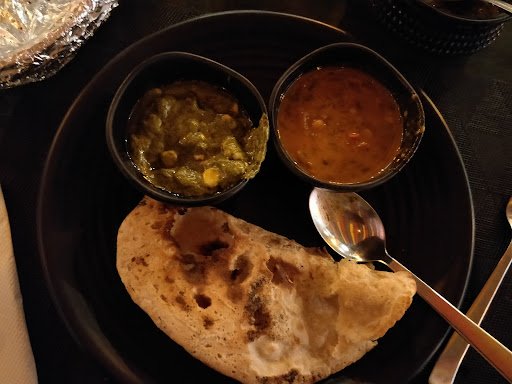
Krishanchal Colony, Krishna Vanti colony, Bareilly, Uttar Pradesh 243122, India
+91 79020 20297
| Thursday | 11 AM–11 PM |
| Friday | 11 AM–11 PM |
| Saturday | 11 AM–11 PM |
| Sunday | 11 AM–11 PM |
| Monday | 11 AM–11 PM |
| Tuesday | 11 AM–11 PM |
| Wednesday | 11 AM–11 PM |
City Point Restaurant
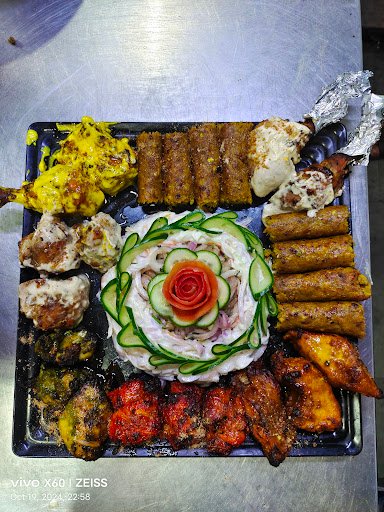
Chowki Chauraha, Near Income tax office, Civil Lines, Bareilly, Uttar Pradesh 243001, India
+91 581 242 9382
| Thursday | 12–11:30 PM |
| Friday | 12–11:30 PM |
| Saturday | 12–11:30 PM |
| Sunday | 12–11:30 PM |
| Monday | 12–11:30 PM |
| Tuesday | 12–11:30 PM |
| Wednesday | 12–11:30 PM |
The Alchemy of Place: Where Aroma Becomes Heritage
Bareilly’s culinary landscape is less a collection of recipes and more an olfactory archive, a dense tapestry woven from generations who understood that flavor is intrinsically linked to the *terroir*—not just the soil, but the social geography of the region—making every spoonful a localized act of historical recall.
Echoes of the Rohilkhand Plains in Mustard Oil
The pervasive, pungent embrace of mustard oil, a steadfast foundation in Bareilly kitchens, carries the weight of local agriculture, dictating not just the frying medium but imparting a distinct piquancy that differentiates its savory preparations from those of neighboring plains, subtly shaping community rituals around meals.
The Poetics of Masala: Binary and Balance
The selection and tempering of whole spices, a careful binary of heat and cooling agents, demonstrates an implicit understanding of traditional Ayurvedic rhythms applied not rigidly, but intuitively, yielding profiles that offer warmth without overwhelming the primary ingredients’ inherent nature.
Street Food’s Ephemeral Narratives: Quick Bites, Deep Roots
From the sizzle of *chaat* vendors whose precise drizzle of tamarind chutney unlocks decades of flavor memory in the passerby, the transient nature of street food masks deep-seated culinary disciplines honed under the demands of fast, accessible artistry.
Generational Transfers: The Silence of Learned Techniques
Many of the finesse techniques, like the perfect ‘*dum*’ seal on a biryani pot or the controlled slow reduction of milk for *rabri*, are often passed down not through written instruction but through kinesthetic observation, cementing the kitchen as a sacred, almost tacit academy.
Sweet Geographies: Capturing the Monsoon in Confectionery
Even in the sugary realm, Bareilly’s sweets often reflect the seasonal influx—heavy, nourishing confections like *petha* in the heat giving way to preparations richer in milk solids or dry fruits during cooler, more introspective months.
https://youtube.com/watch?v=IG5ZVtrsYC8
More information
How does the concept of the ‘Unseen Palate’ move beyond mere culinary enjoyment in the context of Bareilly’s food culture?
The ‘Unseen Palate’ signifies the layers of cultural transmission and historical memory embedded within the food of Bareilly, extending far beyond the immediate sensory experience. It implies an awareness of the agricultural rhythms, the Mughal influence mingling with local artisanal traditions, and the storytelling shared over meals—elements that require mindful listening rather than just tasting to be fully apprehended. It’s about discerning the narrative pulse behind the tang and savor.
What is the significance of spice selection in Bareilly, and how does it reflect the region’s social or ecological identity?
Spice in Bareilly acts as a nuanced dialect, mapping out ecological resource availability alongside centuries of trade routes. The specific calibration of heat (chilli variety) versus earthiness (cumin/coriander profiling) often reveals family lineage or even occupational background within the city’s intricate social fabric. Furthermore, the emphasis on particular aromatics, like local saffron strains or potent garam masalas, serves as a non-verbal marker of regional pride and culinary sovereignty against homogenized tastes.
How does this study balance the ethnographic recording of ephemeral food stories with the permanent documentation of recipes?
The balance hinges on recognizing that the recipe is the skeleton, but the story is the lifeblood. While fixed recipes offer structural integrity and replication potential, the ethnographic endeavor focuses on the performance of cooking—the whispered generational instructions, the precise timing dictated by a grandmother’s intuition rather than a stopwatch, and the social context of when and why a dish is prepared. The documentation must therefore capture both the ‘how-to’ and the ‘why-then’ to preserve the true soul of the cuisine.
If food is deeply tied to memory, what happens to the identity of Bareilly’s cuisine as younger generations increasingly adopt globalized dietary habits?
This presents a fascinating tension between preservation and evolution, which threatens to fragment the collective food memory. As global fast food establishes convenience, the traditional slow cooking methods and deep understanding of local ingredients risk becoming ‘heirloom knowledge’ inaccessible to those not intentionally taught. The challenge lies in framing these ancestral methods not as burdens of labor, but as sources of profound cultural authorship—a unique flavor identity worth actively safeguarding in a rapidly standardizing world.
Related Posts
The Ultimate Guide to Food in Jamnagar, India: Must-Try Local Flavors and Eateries
Unveiling the Culinary Secrets: The Ultimate Guide to Food in Junagadh, India
Uncovering the Authentic Flavors: A Guide to Food in Gandhinagar, India
The Ultimate Guide to Food in Haridwar, India: Sacred Eats & Street Food Secrets
The Ultimate Guide to Food in Dehradun, India: Must-Try Dishes & Local Eats
The Definitive Guide to Experiencing the Unforgettable Flavors of Food in Surat, India
Food in Ahmedabad, India: A Culinary Journey Through Gujarat’s Most Flavorful City
The Ultimate Guide to Must-Try Food in Rajkot, India: Flavorful Delights Await
Añadir comentario