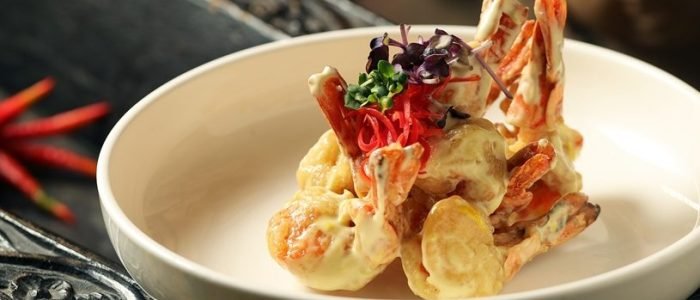
Forget everything you think you know about North Indian street food. Faridabad, often overlooked in the mad dash to Delhi, is an absolute culinary secret waiting to explode in your taste buds. Seriously, I stumbled upon a chaat vendor here last month that had me questioning every life decision that hadn’t involved tasting that specific blend of tamarind and chili sooner. This isn’t just about what you eat; it’s the chaotic symphony of sizzling woks and generations-old spice blends that makes it special. We’re diving headfirst into the Asli flavors—the hidden gems, the must-try street eats, and where the locals actually go when they crave something legendary. Ready to navigate the true Spice Routes of Faridabad? Let’s get hungry.
The Culinary Compass: Charting Your Essential Food Journey Through Faridabad’s Spice-Laden Streets
The Great Kebab Factory – Faridabad
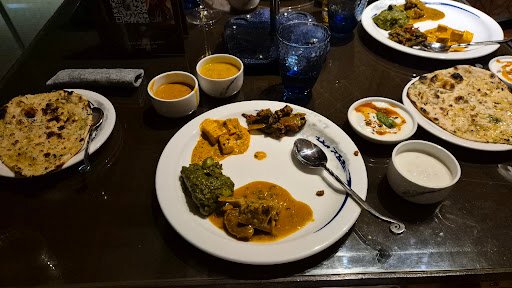
40, Krishna Nagar, New Industrial Township, Faridabad, Haryana 121007, India
+91 99991 26201
| Friday | 7–11 PM |
| Saturday | 7–11 PM |
| Sunday | 7–11 PM |
| Monday | 7–11 PM |
| Tuesday | 7–11 PM |
| Wednesday | 7–11 PM |
| Thursday | 7–11 PM |
Kalsang Restaurant – Faridabad
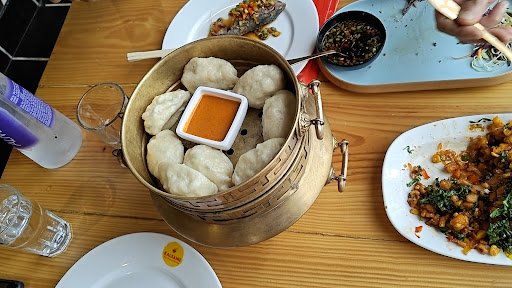
OMAXE WORLD STREET, SCO 265, Bhataula Village, Sector 79, Faridabad, Haryana 121004, India
+91 88264 53263
| Friday | 11 AM–11 PM |
| Saturday | 11 AM–11 PM |
| Sunday | 11 AM–11 PM |
| Monday | 11 AM–11 PM |
| Tuesday | 11 AM–11 PM |
| Wednesday | 11 AM–11 PM |
| Thursday | 11 AM–11 PM |
Karigari Faridabad
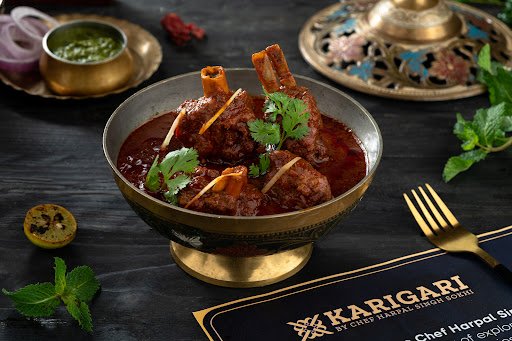
Bata Chowk, NH-19, Sector 12, Faridabad, Haryana 121007, India
+91 74282 95537
| Friday | 12 PM–12 AM |
| Saturday | 12 PM–12 AM |
| Sunday | 12 PM–12 AM |
| Monday | 12 PM–12 AM |
| Tuesday | 12 PM–12 AM |
| Wednesday | 12 PM–12 AM |
| Thursday | 12 PM–12 AM |
Kake Di Hatti Faridabad
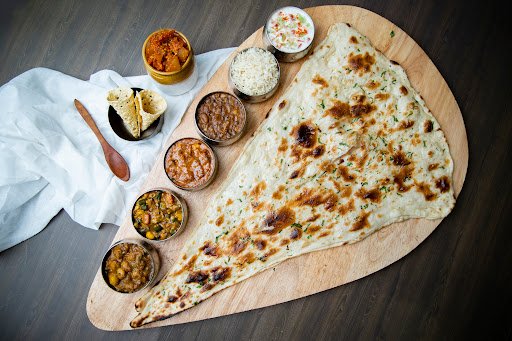
Shop No-02 MASTER ROAD CHANDILA, CHOWK, near WORLD STREET, opposite OMAXE WORLD STREET, Bhataula Village, Sector 82, Faridabad, Haryana 121007, India
+91 81300 03675
| Friday | 11 AM–11 PM |
| Saturday | 11 AM–11 PM |
| Sunday | 11 AM–11 PM |
| Monday | 11 AM–11 PM |
| Tuesday | 11 AM–11 PM |
| Wednesday | 11 AM–11 PM |
| Thursday | 11 AM–11 PM |
Haldiram’s – Sector 15, Faridabad
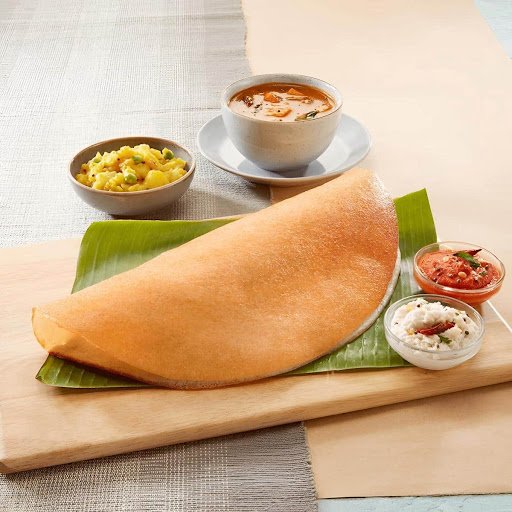
SCF 33, Market, Sector 15, Faridabad, Haryana 121007, India
+91 8071 890 166
| Friday | 8:30 AM–10:30 PM |
| Saturday | 8:30 AM–10:30 PM |
| Sunday | 8:30 AM–10:30 PM |
| Monday | 8:30 AM–10:30 PM |
| Tuesday | 8:30 AM–10:30 PM |
| Wednesday | 8:30 AM–10:30 PM |
| Thursday | 8:30 AM–10:30 PM |
SHIBIYA RESTAURANT
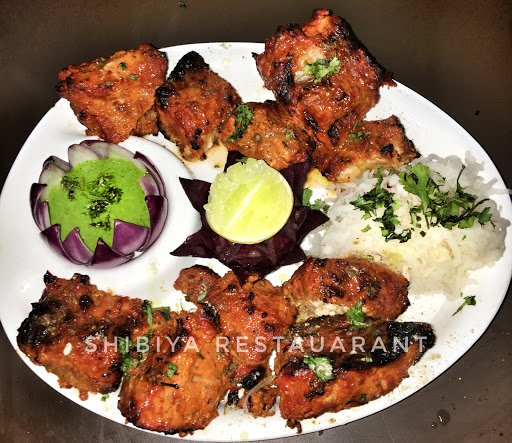
15/1, Verma Udyog compound, Mathura Rd, Sector 27/A, Faridabad, Haryana 121003, India
+91 99537 70005
| Thursday | 5:30 PM–4:30 AM |
| Friday | 5:30 PM–4:30 AM |
| Saturday | 5:30 PM–4:30 AM |
| Sunday | 5:30 PM–4:30 AM |
| Monday | 5:30 PM–4:30 AM |
| Tuesday | 5:30 PM–4:30 AM |
| Wednesday | 5:30 PM–4:30 AM |
Sanjha Chulha Restaurant
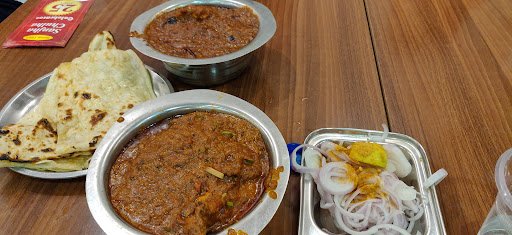
12& 16, Sector 19, Part 2, Market, Haryana 121002, India
+91 98701 92133
| Friday | 12–11:30 PM |
| Saturday | 12–11:30 PM |
| Sunday | 12–11:30 PM |
| Monday | 12–11:30 PM |
| Tuesday | 12–11:30 PM |
| Wednesday | 12–11:30 PM |
| Thursday | 12–11:30 PM |
Haldiram’s – Parsvnath City Mall, Faridabad
Shop No 69, Parsavnath City Mall, 48, NH 19, Sector 12, Faridabad, Haryana 121007, India
+91 8071 890 161
| Friday | 8:30 AM–10 PM |
| Saturday | 8:30 AM–10 PM |
| Sunday | 8:30 AM–10 PM |
| Monday | 8:30 AM–10 PM |
| Tuesday | 8:30 AM–10 PM |
| Wednesday | 8:30 AM–10 PM |
| Thursday | 8:30 AM–10 PM |
Hunger Cure
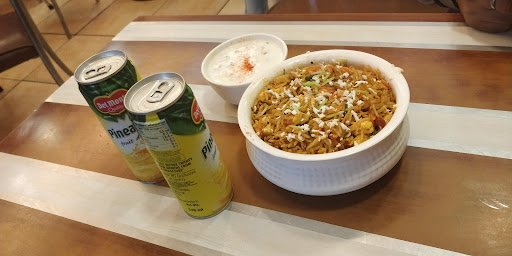
SCF 77, Sector 14, Faridabad, Haryana 121007, India
+91 129 406 2200
| Friday | 11 AM–10:45 PM |
| Saturday | 11 AM–10:45 PM |
| Sunday | 11 AM–10:45 PM |
| Monday | 11 AM–10:45 PM |
| Tuesday | 11 AM–10:45 PM |
| Wednesday | 11 AM–10:45 PM |
| Thursday | 11 AM–10:45 PM |
Haldiram’s – Faridabad, Sector 16
SCO No 92, HUDA Staff Colony, Sector 16, Faridabad, Haryana 121002, India
+91 8071 890 184
| Friday | 9 AM–11 PM |
| Saturday | 9 AM–11 PM |
| Sunday | 9 AM–11 PM |
| Monday | 9 AM–11 PM |
| Tuesday | 9 AM–11 PM |
| Wednesday | 9 AM–11 PM |
| Thursday | 9 AM–11 PM |
Decoding the Culinary Landscape of Faridabad The culinary scene of Faridabad, a significant industrial hub bordering Delhi, offers a fascinating microcosm of North Indian gastronomy, skillfully balancing traditional Mughlai richness with the ubiquitous energy of street food culture influenced by its proximity to the National Capital Region. Navigating this food landscape requires understanding that Faridabad is not merely a stopover but a destination with its own evolving palate, where generational sweet shops compete for attention alongside trendy modern cafes that often pay homage to age-old recipes but serve them with contemporary flair, presenting visitors with a diverse, layered experience of flavor built upon regional grains, robust spice blends, and dairy traditions. The Essential Street Food Crawl: Chole Bhature and Aloo Tikki Dominance The cornerstone of any true exploration into Faridabad’s food culture invariably begins with its vibrant street food scene, where sensory overload is guaranteed; nowhere is this more evident than in the queues eagerly forming for piping hot plates of Chole Bhature—fluffy, deep-fried bread served with a deeply flavorful chickpea curry—or the ubiquitous, perfectly spiced, and crisply fried Aloo Tikki chaat, often customized with yogurt and tangy tamarind chutneys, highlighting the region’s love for bold, texturally complex snacks. Sweet Endings: A Deep Dive into Local Halwai Traditions Beyond the savory main courses, Faridabad retains a strong attachment to its Halwai heritage (traditional confectioners), meaning dessert exploration is paramount; specialties often feature heavy reliance on clarified butter and milk solids, encompassing classics like rich, layered Gajar ka Halwa during winter months or incredibly spongy, rose-infused Gulab Jamun, presenting an inescapable temptation for anyone seeking a truly authentic, sugary finale to any meal. Regional Authenticity: Seeking Out Authentic Haryanvi Flavors While cosmopolitan influences are evident, dedicating time to specifically source authentic Haryanvi cuisine reveals a distinctly earthy character reflective of the agricultural hinterland; dishes here prioritize simple preparation and use robust ingredients like Bajra (pearl millet) or staple preparations like Kadhi Pakora (savory yogurt and gram flour curry) or slow-cooked lentil preparations like Dal Tadka, showcasing cooking methods designed for substance and sustained energy. The Spice Merchants: Uncovering Local Masala Blends Understanding Faridabad’s connection to the broader historical Spice Routes involves investigating where the actual flavor profiles are constructed: the local Masala markets often hold the key, where specialized vendors create unique regional blends; residents frequently favor a distinct *Garam Masala* that emphasizes warmer notes like black cardamom and cloves over the general northern standard, providing an unparalleled depth to home-cooked curries and reflecting centuries of trade lineage. From Industrial Hub to Fine Dining: The Evolving Modern Scene As the city has modernized, so too has its dining landscape, with numerous establishments stepping beyond traditional offerings to cater to modern palates and cosmopolitan tastes; this emerging sector showcases chefs experimenting with global culinary techniques while judiciously incorporating high-quality local spices and ingredients, signaling a shift towards culinary fusion that respectfully nods to tradition while firmly embracing international standards of presentation and service.
https://youtube.com/watch?v=cOeP9r1WmwM
More information
What unique culinary experiences beyond typical North Indian fare can food adventurers seek out in Faridabad?
While Faridabad undoubtedly serves up excellent, familiar Punjabi cuisine, its real culinary delight often lies in the nuanced regional variations and burgeoning street food scene that borrows flavor profiles from neighboring states. Look beyond the large restaurants for specialized street stalls known for spicy chaats crafted with regional masalas or small, unassuming eateries that specialize in Hyderabadi biryanis or Bengali mithais. Exploring the tucked-away markets like Old Faridabad is where the authentic, layered tastes of the ancient spice routes still linger, often adapting recipes to local tastes while honoring tradition. Have you considered that true flavor often hides just off the main thoroughfare?
Given Faridabad’s proximity to Delhi, how distinct is its flavor profile, especially regarding the historical spice trade influence?
That’s a fantastic question that gets to the heart of regional gastronomy. While Delhi acts as the gravitational center, Faridabad’s proximity historically meant it was a crucial stop along the trade routes, leading to a slightly more rustic and intensely spiced local cooking style compared to Delhi’s refined Mughlai focus. You’ll often find local dishes leaning heavily on sharper spices like mustard oil or whole dry chilies in their tempering, perhaps suggesting a closer link to the agricultural output of Haryana itself. It’s less about imperial grandeur and more about robust, agrarian flavor, where the spices aren’t just enhancers but essential preservatives and storytelling agents.
What vegetarian delicacies should a first-time visitor prioritize to truly understand Faridabad’s food landscape?
For a first-time vegetarian visitor, the priority should be dishes that showcase the versatility of pulses and vegetables using locally sourced spices. Beyond the obligatory dal makhani, seek out authentic Bedmi Puri served with a sharp Aloo Sabzi—a breakfast staple that demands mastery of frying technique. Additionally, sampling Chole Bhature from a popular local vendor allows you to judge the quality of the masala blend used for the chickpeas, which is often the litmus test for any roadside establishment. These dishes might seem simple, but they are where culinary integrity is most transparently displayed, demanding fresh ingredients and perfectly balanced heat.
Are there any must-visit markets or older areas in Faridabad that act as living museums for traditional Indian spices and ingredient sourcing?
Absolutely; the old city sections, particularly areas surrounding the Bhadarpur border junction (though perhaps less central now), often retain older merchant traditions. The local sabzi mandis (vegetable markets) are vibrant ecosystems where you can see spices in their raw or semi-processed form—think whole cinnamon sticks bigger than expected or dried turmeric root awaiting grinding. It is here that you observe the symbiotic relationship between the local farmer, the spice trader, and the end consumer, illustrating how sourcing impacts the final flavor. Engaging with vendors can reveal stories about where certain peppercorns or chili powders were grown or which local mixture constitutes the town’s signature garam masala.
Related Posts
Discovering the Best Food in Singrauli, India: A Culinary Explorer’s Guide
A Culinary Deep Dive: Unpacking the Unmissable Flavors of Food in Satna, India (Your 2025 Street Food Guide)
Unlock the Secrets of Authentic Food in Rewa, India: A Culinary Deep Dive.
The Ultimate Guide to Amazing Food in Alappuzha, India: Where to Eat Like a Local
The Sizzling Soul of Steel City: Unveiling the Hidden Flavors of Food in Rourkela, India.
Savor the Spice: A Deep Dive into Authentic Food in Sambalpur, India
Unforgettable Flavors: Your Ultimate Guide to Food in Brahmapur, India!
Unveiling the Secret Spice Routes: Your Ultimate Guide to Food in Baripada, India for the Modern Palate
Añadir comentario