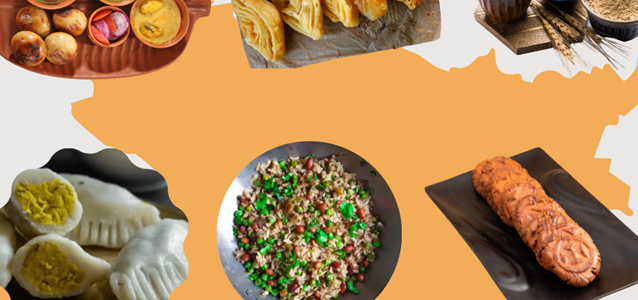
Gaya, a city steeped in spiritual significance in Bihar, India, offers a vibrant and often overlooked culinary landscape. Much like exploring an ancient manuscript, understanding Gaya’s food means uncovering layers of history, tradition, and local necessity. Forget the complex recipes you see online; the true flavor of this region lies in its simplicity and reliance on local grains and seasonal produce. This isn’t about five-star dining; it’s about hearty, honest sustenance that mirrors the rhythm of daily life along the banks of the Falgu River. Prepare to discover dishes as textured and diverse as the city itself.
Beyond the Litti Chokha: Decoding Gaya’s Deep-Rooted Culinary Narrative
Jungle restaurant
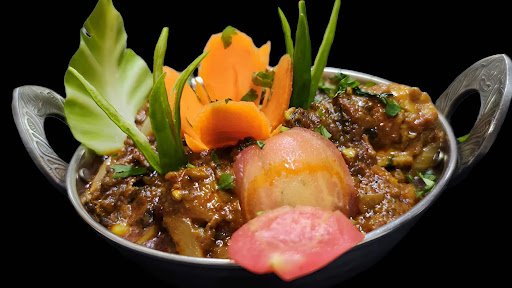
White House Compound, Judges Colony, Gaya, Bihar 823001, India
+91 90609 20034
| Friday | 10:30 AM–10:30 PM |
| Saturday | 10:30 AM–10:30 PM |
| Sunday | 10:30 AM–10:30 PM |
| Monday | 10:30 AM–10:30 PM |
| Tuesday | 10:30 AM–10:30 PM |
| Wednesday | 10:30 AM–10:30 PM |
| Thursday | 10:30 AM–10:30 PM |
Hunger Heist Cafe
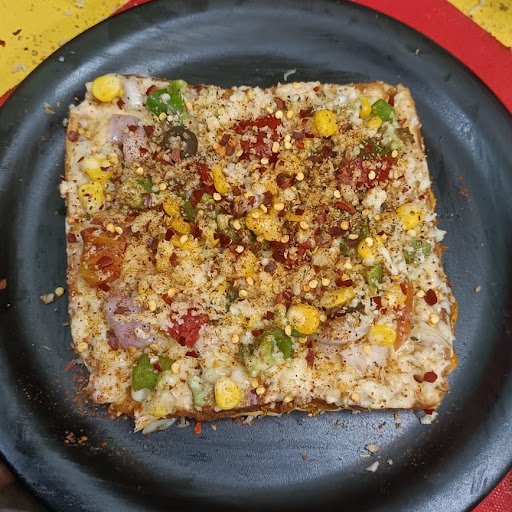
Lig 73, Chanakyapuri Colony, Housing Board Colony, Gaya, Bihar 823001, India
+91 83401 64481
| Friday | 9 AM–10 PM |
| Saturday | 9 AM–10 PM |
| Sunday | 9 AM–10 PM |
| Monday | 9 AM–10 PM |
| Tuesday | 9 AM–10 PM |
| Wednesday | 9 AM–10 PM |
| Thursday | 9 AM–10 PM |
LEVEL 4 ROOFTOP RESTAURANT
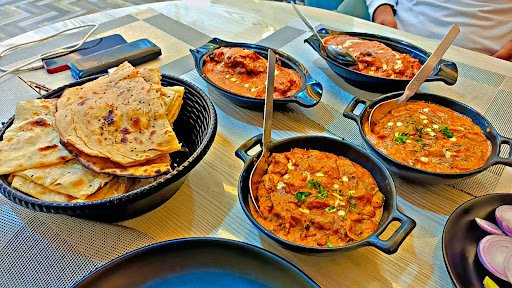
SOUTH, Church Rd, behind KOCHAR PETROL PUMP, near MAHARANI BUS STAND, Jaiprakash Nagar, Gaya, Bihar 823001, India
+91 70335 66638
| Friday | 11 AM–12 AM |
| Saturday | 11 AM–12 AM |
| Sunday | 11 AM–12 AM |
| Monday | 11 AM–12 AM |
| Tuesday | 11 AM–12 AM |
| Wednesday | 11 AM–12 AM |
| Thursday | 11 AM–12 AM |
The Rasoi Rishta Cafe
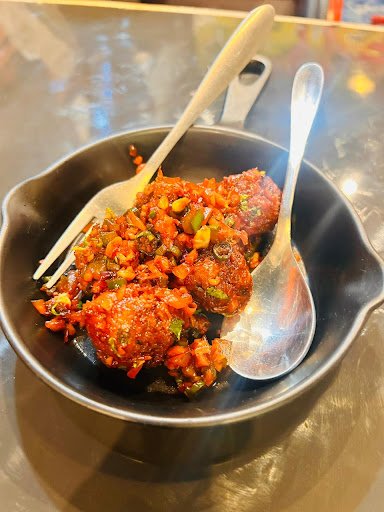
Police Line Rd, Gewalbigha, Gaya, Bihar 823001, India
None
| Friday | 7–11 AM, 4–9 PM |
| Saturday | 7–11 AM, 4–9 PM |
| Sunday | 7–11 AM, 4–9 PM |
| Monday | 12:30 AM–9 PM |
| Tuesday | 7–11 AM, 4–9 PM |
| Wednesday | 7–11 AM, 4–9 PM |
| Thursday | 7–11 AM, 4–9 PM |
Blue Sky Rooftop Restaurant – Best Restaurant in Gaya
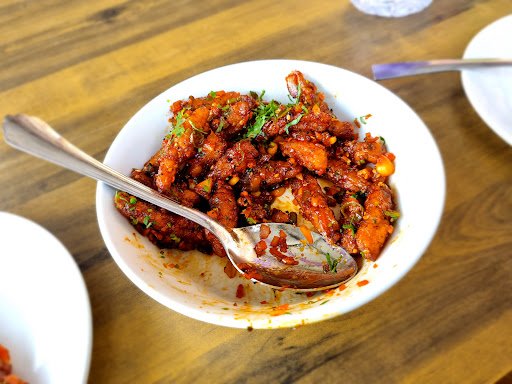
opp. Circuit House, White House Compound, Judges Colony, Gaya, Bihar 823001, India
None
| Friday | 10:30 AM–10:30 PM |
| Saturday | 10:30 AM–10:30 PM |
| Sunday | 10:30 AM–10:30 PM |
| Monday | 10:30 AM–10:30 PM |
| Tuesday | 10:30 AM–10:30 PM |
| Wednesday | 10:30 AM–10:30 PM |
| Thursday | 10:30 AM–10:30 PM |
FRESHOP Cafe & Restro
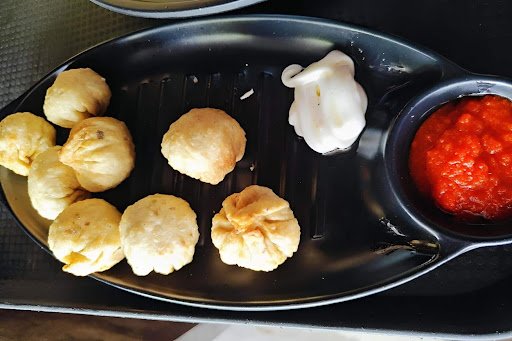
opposite Sudha Dairy, beside SBI ATM, Bisar Talab, Jaiprakash Nagar, Gaya, Bihar 823001, India
+91 79799 54598
| Friday | 10:30 AM–9:30 PM |
| Saturday | 10:30 AM–9:30 PM |
| Sunday | 10:30 AM–9:30 PM |
| Monday | 10:30 AM–9:30 PM |
| Tuesday | 10:30 AM–9:30 PM |
| Wednesday | 10:30 AM–9:30 PM |
| Thursday | 10:30 AM–9:30 PM |
Annapurna Spicy Kitchen and Family Restaurant
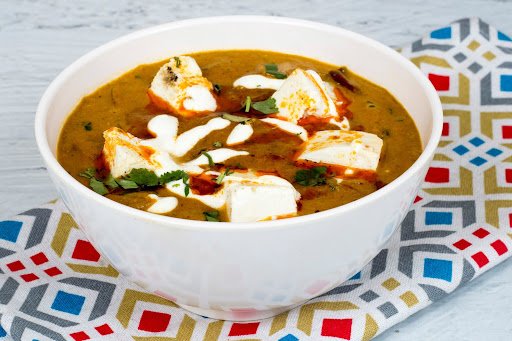
Koccher Petrol Pump, near Maharani Bus Stand, Jaiprakash Nagar, Gaya, Bihar 823001, India
+91 91620 28888
| Friday | 11 AM–10:30 PM |
| Saturday | 11 AM–10:30 PM |
| Sunday | 11 AM–10:30 PM |
| Monday | 11 AM–10:30 PM |
| Tuesday | 11 AM–10:30 PM |
| Wednesday | 11 AM–12 AM |
| Thursday | 12–10:30 AM, 11 AM–10:30 PM |
PIND BALLUCHI A VILLAGE RESTAURANT
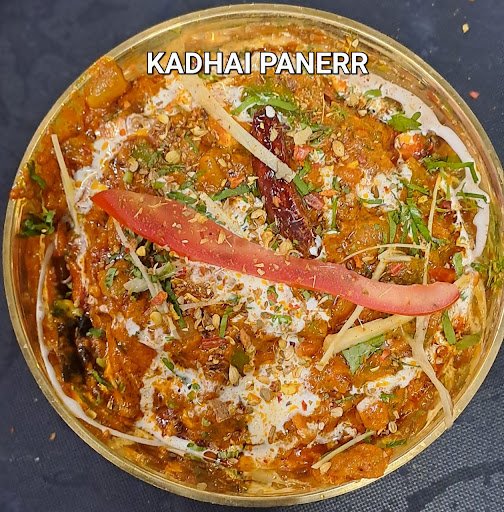
Rai Kashinath More, above haldirams prabhuji, Durga Bari, Gaya, Bihar 823001, India
+91 631 222 5222
| Friday | 12–10:30 PM |
| Saturday | 12–10:30 PM |
| Sunday | 12–10:30 PM |
| Monday | 12–10:30 PM |
| Tuesday | 12–10:30 PM |
| Wednesday | 12–10:30 PM |
| Thursday | 12–10:30 PM |
Shalimar Family Restaurant
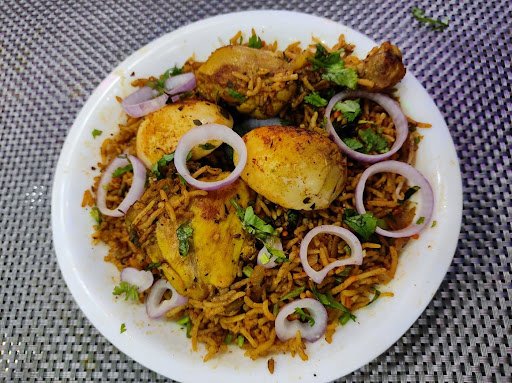
Rai Kashinath More, near APR Mall, Nagmatia Colony, Gaya, Bihar 823001, India
+91 94721 18417
| Friday | 10 AM–10 PM |
| Saturday | 10 AM–10 PM |
| Sunday | 10 AM–10 PM |
| Monday | 10 AM–10 PM |
| Tuesday | 10 AM–10 PM |
| Wednesday | 10 AM–10 PM |
| Thursday | 10 AM–10 PM |
Paprika Fine Dine Pure Veg Restaurant
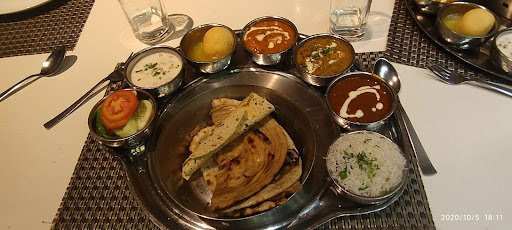
Chowk, KP Rd, near Kiran Cinema, Dulhingunj, Gaya, Bihar 823001, India
+91 631 222 2403
| Friday | 8 AM–11 PM |
| Saturday | 8 AM–11 PM |
| Sunday | 8 AM–11 PM |
| Monday | 8 AM–11 PM |
| Tuesday | 8 AM–11 PM |
| Wednesday | 8 AM–11 PM |
| Thursday | 8 AM–11 PM |
Beyond the Sacred: Unveiling the Everyday Flavors that Define Gaya’s Gastronomic Soul
The city of Gaya, intrinsically linked with spiritual pilgrimages, holds a rich, often unsung, culinary heritage that goes far beyond simple sustenance; it is a vibrant tapestry woven from local grains, sharp spices, and techniques passed down through generations, reflecting the historical ebb and flow of the Magadh region, offering a comforting blend of simplicity and profound flavor rooted in the fertile lands of South Bihar.
The Enduring Legacy of Litti Chokha
Exploring the Unsung World of Bihari Sattu
Sweet Delights: Mastering the Art of Khaja and Thekua
Gaya’s Street Food Spectrum: From Chaat to Jalebi
The Subtle Sophistication of Pickling Traditions
The Litti Chokha, arguably Bihar’s most recognizable dish, showcases the resourcefulness of traditional cooking, where roasted whole wheat balls filled with spiced *sattu* (roasted gram flour) are typically baked over a cow-dung fire, yielding an intensely smoky flavor profile that is then perfectly counterpointed by the fresh, often fiery, mashed vegetable medley known as *chokha*. Bihari Sattu transcends the role of a mere ingredient; it is the backbone of sustenance, an accessible and incredibly nutritious powerhouse ground from roasted chickpeas, commonly mixed with water, spices, and onions to create a cooling drink known as *sharbat* or molded into doughs, offering energy for laborers and pilgrims traversing long distances under the Indian sun. Sweet Delights, such as the flaky, syrupy *Khaja* and the dense, crispy *Thekua*, demonstrate the region’s aptitude for preservative confectionery, often prepared during festive occasions like Chhath Puja, utilizing clarified butter (*ghee*) and jaggery rather than refined sugar, resulting in textures that manage to be simultaneously rich and pleasantly brittle. Gaya’s Street Food Spectrum provides an exciting contrast to the simpler homestyle meals, presenting bold, flavor-forward bites; while ubiquitous items like spicy *chaat* and freshly fried *jalebi* are found, local vendors often specialize in unique regional twists, featuring fermented ingredients or hyperlocal spice blends that distinguish Gaya’s offerings from those found in neighboring states. The region’s Pickling Traditions are not merely about preservation; they are an exercise in balancing intense tang and heat, utilizing robust ingredients like *nimbu* (lime), *amla* (Indian gooseberry), and sharp chilies macerated in mustard oil, creating intensely flavorful condiments that serve to cut through the richness of main dishes and offer a necessary jolt to the palate.
https://youtube.com/watch?v=TyeEYSqCHjI
More information
What makes Gaya’s local cuisine distinctly different from what you might find in other parts of North India?
That’s a great question, like trying to tell the difference between your grandma’s soup recipe and your neighbor’s! Gaya, being a deeply spiritual and pilgrimage center, has retained very traditional and often vegetarian-focused food habits, especially influenced by those visiting holy sites. While general North Indian food leans heavily on rich cream and extensive paneer dishes, Gaya’s cooking often focuses more on the earthiness of pulses (lentils), local greens, and preparations suited for long fasting periods or simple, hearty meals. Think less butter chicken fanfare and more soul-soothing lentil staples like specific types of Dal Pitha.
If I only have time for three must-try authentic dishes in Gaya, what should they absolutely be?
If you’re short on time, you need the holy trinity of Gaya’s culinary scene! First up is Litti Chokha, which is the quintessential Bihari powerhouse—baked wheat balls stuffed with spicy sattu (roasted gram flour) served with mashed vegetables. Second, seek out Dal Pitha; these are steamed rice dumplings filled with savory lentil paste, somewhat like a sophisticated momo, very local and satisfying. Finally, for a unique sweet treat, you must try Khaja from Bodh Gaya; it’s a crispy, layered sweet drenched in syrup, famed for its texture.
Is it difficult for a vegetarian tourist to navigate the food scene in Gaya, considering the region’s focus on traditional practices?
Not at all! In fact, for vegetarians, Gaya is somewhat of a paradise, often described as a ‘green pocket.’ Because it’s a major pilgrimage town where many visitors follow strict sattvic diets, a vast majority of eateries, especially near temples, will be purely vegetarian. You won’t spend much time deciphering menus because the classic staples—like various preparations of rice, chawal-roti, lentils, and vegetable curries—are readily available and prepared traditionally without onion or garlic in many spots. It’s actually easier than navigating some other metropolitan areas where meat options often dominate the street food scene.
What role does ‘Sattu’ play in the everyday diet of people in Gaya, and why is it so prevalent?
Sattu is like the ultimate superfood staple in Bihar, comparable to how peanut butter is used universally in the West—it’s convenient, filling, and highly nutritious. It’s essentially flour made from dry-roasted gram (chickpea). Its prevalence comes down to history and practicality: it requires very little cooking time, can be easily carried by laborers or pilgrims (meaning less fuel/wood needed), and is incredibly protein-rich. You find it served raw mixed with water and spices (Sattu Sherbet) for hydration, or stuffed inside the Litti, making it the backbone of a quick, honest meal.
Related Posts
The Ultimate Guide to Authentic Food in Latur, India: Must-Try Dishes and Local Eateries
A Culinary Voyage: Unveiling the Unforgettable Flavors of Food in Thoothukkudi, India
Unearth the Hidden Flavors: Your Essential Guide to Food in Bhagalpur, India
Unveiling the Culinary Mosaic: Your Definitive Guide to Food in Sangli, India
The Essential Guide to Food in Rohtak, India: A Culinary Journey Made Simple
The Gastronomic Tapestry: A Vivid Exploration of Food in Udaipur, India
Jalgaon’s Culinary Canvas: Unveiling the Essential Flavors of Food in Jalgaon, India
The Hidden Flavors of Vellore: An Insider’s Guide to Food in Vellore, India
Añadir comentario