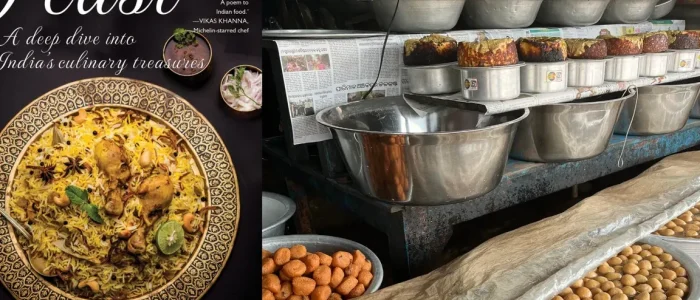
Kancheepuram, a city steeped in ancient silk and temple lore, offers a culinary journey as vibrant as its handcrafted sarees. Beyond the spiritual resonance, a profound history echoes on the plates served here. This isn’t just sustenance; it’s a living document of trade routes, regional biodiversity, and millennia of refined taste. Beneath the veneer of tourist hotspots lies an authentic network of kitchens crafting flavors rooted deeply in the Tamil landscape. To truly understand Kancheepuram, one must look beyond the monumental stone carvings and savor the slow-cooked magic simmering in its essential foods.
The Culinary Tapestry of Kancheepuram: Unearthing the Soul of Its Essential Foods
Nithya Amirtham – Kanchipuram
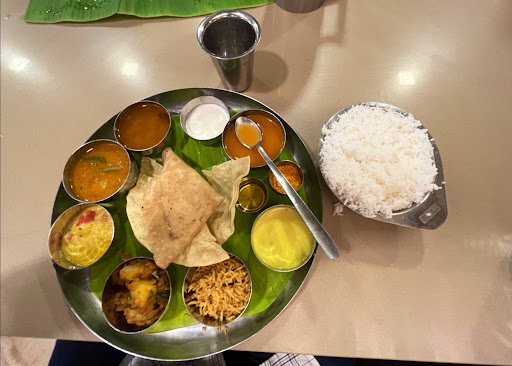
70, Annai Indira Gandhi Salai, near Sri Chirtra Guptar Temple, Nellukara st, Kanchipuram, Tamil Nadu 631502, India
+91 73585 21113
| Thursday | 6 AM–11 PM |
| Friday | 6 AM–11 PM |
| Saturday | 6 AM–11 PM |
| Sunday | 6 AM–11 PM |
| Monday | 6 AM–11 PM |
| Tuesday | 6 AM–11 PM |
| Wednesday | 6 AM–11 PM |
VB World by Namma Veedu Vasanta Bhavan – Kanchipuram
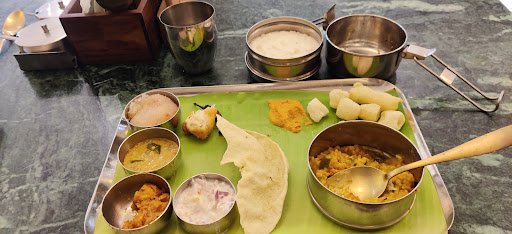
NO: 504, Gandhi Rd, Kanchipuram, Tamil Nadu 631501, India
+91 89398 99550
| Thursday | 6:30 AM–11 PM |
| Friday | 6:30 AM–11 PM |
| Saturday | 6:30 AM–11 PM |
| Sunday | 6:30 AM–11 PM |
| Monday | 6:30 AM–11 PM |
| Tuesday | 6:30 AM–11 PM |
| Wednesday | 6:30 AM–11 PM |
Shree Nalan Kitchen
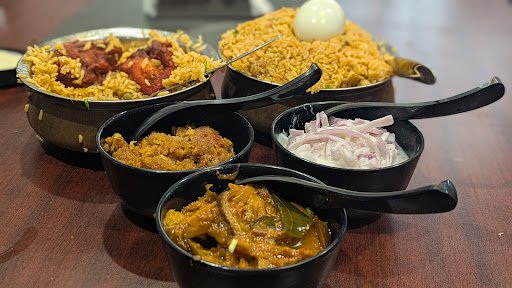
45H, Karukinil Amarnthaval Koil St, Pillaiyarpalayam, Kanchipuram, Tamil Nadu 631501, India
+91 93600 23224
| Thursday | 11 AM–11 PM |
| Friday | 11 AM–11 PM |
| Saturday | 11 AM–11 PM |
| Sunday | 11 AM–11 PM |
| Monday | 11 AM–11 PM |
| Tuesday | 11 AM–11 PM |
| Wednesday | 11 AM–11 PM |
Shastra Veg Restaurant – Kanchipuram by Tiffin Shastra
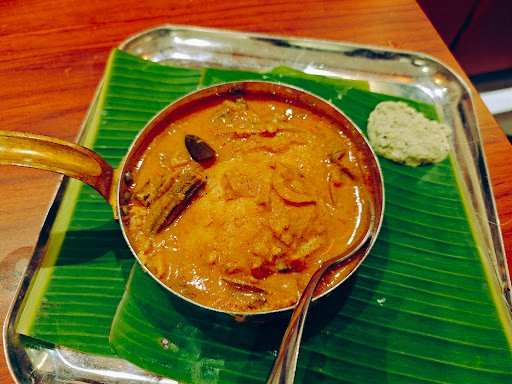
21, Gandhi Rd, Kanchipuram, Tamil Nadu 631501, India
None
| Thursday | 6 AM–11 PM |
| Friday | 6 AM–11 PM |
| Saturday | 6 AM–11 PM |
| Sunday | 6 AM–11 PM |
| Monday | 6 AM–11 PM |
| Tuesday | 6 AM–11 PM |
| Wednesday | 6 AM–11 PM |
Puttu idiyappam kadai ( vasanth foods)
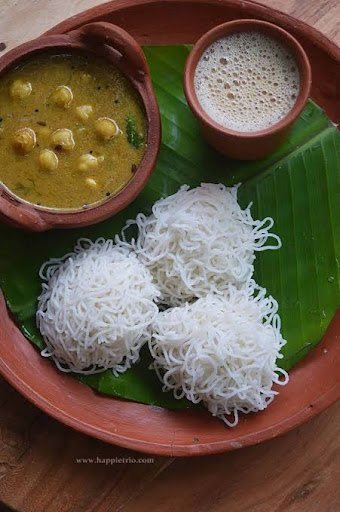
18/58, Ulakalanthar maada street, Nellukara st, Kanchipuram, Tamil Nadu 631502, India
+91 97878 79712
| Thursday | 4–10 PM |
| Friday | 4–10 PM |
| Saturday | 4–10 PM |
| Sunday | Closed |
| Monday | 4–10 PM |
| Tuesday | 4–10 PM |
| Wednesday | 4–10 PM |
Guhaas Restaurant
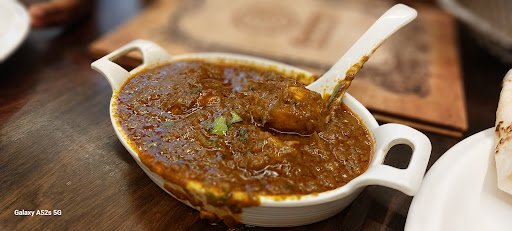
Vikram Towers, 328, Gandhi Rd, near Theradi, next to Indian Coffee House, Ennaikaran, Kanchipuram, Tamil Nadu 631501, India
+91 93635 37456
| Thursday | 11 AM–11 PM |
| Friday | 11 AM–11 PM |
| Saturday | 11 AM–11 PM |
| Sunday | 11 AM–11 PM |
| Monday | 11 AM–11 PM |
| Tuesday | 11 AM–11 PM |
| Wednesday | 11 AM–11 PM |
THE RED BOX
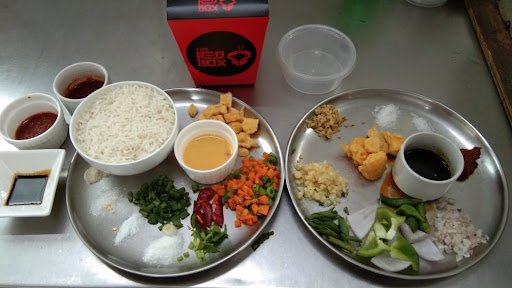
ARYAN FOODS, 88, Vilakadi Koil St, Kanchipuram, Tamil Nadu 631501, India
+91 70366 60111
| Thursday | 11 AM–11 PM |
| Friday | 11 AM–11 PM |
| Saturday | 11 AM–11 PM |
| Sunday | 11 AM–11 PM |
| Monday | 11 AM–11 PM |
| Tuesday | 11 AM–11 PM |
| Wednesday | 11 AM–11 PM |
Surya mess kanchipuram
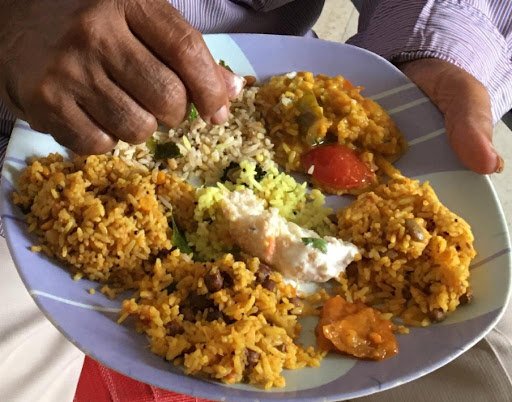
87, Kamarajar St, Periya, Kanchipuram, Tamil Nadu 631501, India
+91 99945 25016
| Thursday | 6:30 AM–3:30 PM |
| Friday | 6:30 AM–3:30 PM |
| Saturday | 6:30 AM–3:30 PM |
| Sunday | 6 AM–3 PM |
| Monday | 6:30 AM–3:30 PM |
| Tuesday | 6:30 AM–3:30 PM |
| Wednesday | 6:30 AM–3:30 PM |
Upashana Hotels
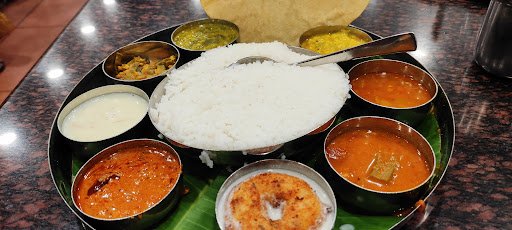
71, Nellukara St, near Shri Chitragupta Swamy Temple, Nellukara st, Kanchipuram, Tamil Nadu 631502, India
+91 44 2723 0611
| Thursday | 6 AM–11 PM |
| Friday | 6 AM–11 PM |
| Saturday | 6 AM–11 PM |
| Sunday | 6 AM–11 PM |
| Monday | 6 AM–11 PM |
| Tuesday | 6 AM–11 PM |
| Wednesday | 6 AM–11 PM |
SAISANGEET KANCHIPURAM FINE DINE
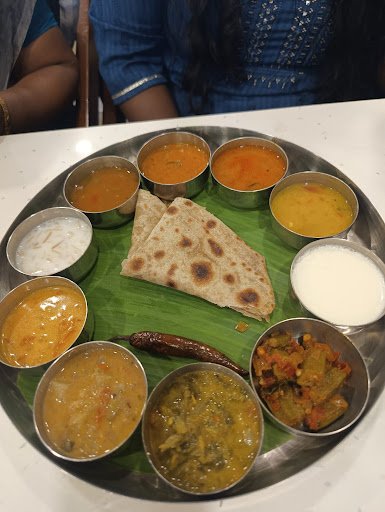
Door No 63/8, 63/8, Nelluakara Street, Annai Indira Gandhi Salai, Kanchipuram, Tamil Nadu 631502, India
+91 63791 99099
| Thursday | 6 AM–10:30 PM |
| Friday | 6 AM–10:30 PM |
| Saturday | 6 AM–10:30 PM |
| Sunday | 6 AM–10:30 PM |
| Monday | 6 AM–10:30 PM |
| Tuesday | 6 AM–10:30 PM |
| Wednesday | 6 AM–10:30 PM |
Beyond the Idli: The Spiced Heartbeat of Kancheepuram Cuisine
Kancheepuram, often whispered about for its silk sarees and ancient temples, harbors a culinary narrative equally rich and deeply woven into the fabric of South Indian tradition; this is not merely a place where people eat, but where the preparation of food serves as an act of devotion and history, meticulously balancing the sacred precision of temple offerings with the vibrant, earthy robustness found in everyday vegetarian and select non-vegetarian preparations that draw upon a unique blend of locally sourced ingredients and time-honored grinding and tempering techniques, making every meal a profound exploration of regional identity.
The Holy Trinity: Rice, Lentils, and Coconut Dynamics
Sourcing the Spice Route: Local Chili and Pepper Influence
Temple Offerings: The Prāsāda Connection to Home Cooking
The Unsung Heroes: Mastering the Tempering (Tadka) Process
Fermentation Finesse: Idli, Dosa, and the Science of Sour
The foundation of Kancheepuram’s essential food relies heavily on the Holy Trinity of South Indian staples—rice, lentils, and coconut—yet the artistry lies not in their mere combination but in their precise proportions and treatment; flawless rice becomes the canvas for dishes like *Sambar* and *Rasam*, while lentils like *urad dal* dictate the fermentative success of staple breakfasts, all bound together by the creamy, cooling influence of freshly grated coconut, often roasted subtly to release a distinct, nutty aroma that cuts through the spiciness quotient. The Sourcing the Spice Route section highlights how the region’s specific terroir dictates the profile of the local spice blends; while cardamom and cloves play supporting roles, it is the judicious use of local varieties of red chilies that define the heat level, often toasted until they achieve a deep crimson color and smokiness, contrasting beautifully with the sharp, earthy punch of locally cultivated black peppercorns, ensuring the resultant curries possess a distinctive heat that is layered rather than simply aggressive. The intersection of Temple Offerings and everyday eating is perhaps the most defining characteristic, as many methods and ingredient pairings directly originate from the *sannidhi* (sanctum) of the revered temples; vegetarian purity often prevails, meaning even home cooks adhere to practices designed to enhance *sattvic* qualities, where even water quality and the type of metal used for cooking vessels can subtly affect the final spiritual and gustatory impact of the food. Achieving the correct *tadka* or tempering is considered a high art here, transforming otherwise simple dishes into culinary experiences; this involves rapidly heating specialized oils, like gingelly oil, until it shimmers, followed by the careful introduction of mustard seeds, curry leaves, asafoetida, and sometimes whole dried chilies, which must sizzle and pop at the exact moment before being poured over the prepared lentil base or vegetable *poriyal*, injecting an immediate burst of aromatic vitality. The reliance on Fermentation Finesse underscores the community’s understanding of microbiology, most evident in the ubiquitous *idli* and *dosa*; successful batters depend not just on soaking and grinding the grains but on maintaining consistent ambient temperatures during the overnight rest, allowing lactic acid bacteria to produce the complex, tangy flavor profile that distinguishes a truly masterful Kancheepuram batter from its pedestrian counterparts across the wider region.
https://youtube.com/watch?v=JE_HJm07IZY
More information
What are the three absolute, non-negotiable dishes every visitor must try when exploring the cuisine of Kancheepuram?
To truly unlock the essential flavors of Kancheepuram, a traveler must prioritize three cornerstones of the local palate. Firstly, the Idli, specifically the softer, lighter variety often served with vibrant coconut and tomato chutneys. Secondly, one must sample the rich, spiced Sambar, which in this region carries a distinct aromatic profile owing to locally sourced tamarind and spices. Finally, exploring the vegetarian meals served on a traditional Vazha Ilai (banana leaf) is crucial; these Thalis feature a carefully balanced array of curries, poriyals (dry vegetable preparations), and payasam (sweet dessert), showcasing the meticulous layering of tastes that defines South Indian culinary art.
How does Kancheepuram’s local food culture reflect its deep religious and historical significance as a temple city?
Kancheepuram’s religious heritage profoundly shapes its daily sustenance, making Temple Food a distinct category. Due to the presence of ancient and revered temples, vegetarianism is deeply ingrained, which necessitates a sophisticated mastery of plant-based ingredients. Many local restaurants specialize in Satvik food, preparing meals without onion or garlic to cater to devotional practices, emphasizing purity of ingredients and preparation methods. This focus translates to incredibly detailed lentil preparations and the ceremonial use of ghee, lending the dishes a distinct richness that transcends mere everyday fare.
Beyond the staple rice and lentils, what are the signature, lesser-known spices or ingredients that give Kancheepuram cuisine its unique taste profile?
The distinctive flavor tapestry of Kancheepuram cuisine owes much to specific, often regionally exclusive ingredients. A critical component often overlooked is the quality of Chekku Gingelly Oil (cold-pressed sesame oil), which is used liberally in tempering (tadka) and gives a nutty depth to vegetable preparations. Furthermore, the unique blend of whole spices, including less common additions like Stone Flower (Kalpasi) and high-quality Kashmiri Chilli Powder (even in vegetarian dishes, for color and moderate heat), contribute subtle earthy and fragrant notes that differentiate local sambars and rasams from those found in neighboring regions.
Where is the best place or context—a street vendor, a traditional restaurant, or a specialized shop—to experience the most authentic flavors?
Authenticity in Kancheepuram cuisine is often best captured through a layered approach, though traditional, age-old mess halls or Udupi-style restaurants that have operated for decades offer the most consistent experience of foundational dishes like Dosai and Vada. For experiencing hyper-local specialties, often linked directly to temple rituals, seek out the small, unnamed vendors near major temple complexes; these often sell excellent, fresh prasad offerings that reveal the purest essence of local tempering techniques. Street food stalls are more about quick snacks, but the seated, traditional eateries provide the necessary platform to experience a full, balanced Thali lunch, showcasing the interplay between numerous accompanying side dishes.
Related Posts
The Ultimate Guide to Food in Jamnagar, India: Must-Try Local Flavors and Eateries
Unveiling the Culinary Secrets: The Ultimate Guide to Food in Junagadh, India
Uncovering the Authentic Flavors: A Guide to Food in Gandhinagar, India
The Ultimate Guide to Food in Haridwar, India: Sacred Eats & Street Food Secrets
The Ultimate Guide to Food in Dehradun, India: Must-Try Dishes & Local Eats
The Definitive Guide to Experiencing the Unforgettable Flavors of Food in Surat, India
Food in Ahmedabad, India: A Culinary Journey Through Gujarat’s Most Flavorful City
The Ultimate Guide to Must-Try Food in Rajkot, India: Flavorful Delights Await
Añadir comentario