
The air in Kannur hangs heavy, not just with the coastal humidity of Kerala, but with an almost palpable, shimmering heat. This is no ordinary spice trade; this is where capsaicin takes center stage, transforming humble ingredients into a blaze on the palate. Beneath the emerald canopy, local cooks guard secrets passed down through generations—methods that coax maximum fire from local chilies, grinding them fine or allowing them to bloom in simmering coconut oil. To dine here is to embark on an initiation, a sensory challenge where the next bite promises a deeper understanding of Malabar history, painted vibrantly red and searingly hot.
Kindling the Palate: Navigating the Inferno of Kannur’s Fiery Cuisine
Barka Restaurant Kannur
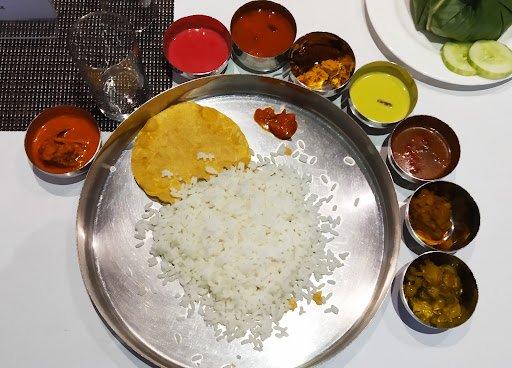
Thavakkara Rd, Thavakkara, Kannur, Kerala 670002, India
+91 99288 11669
| Friday | 7:30 AM–10:30 PM |
| Saturday | 7:30 AM–10:30 PM |
| Sunday | 7:30 AM–10:30 PM |
| Monday | 7:30 AM–10:30 PM |
| Tuesday | 7:30 AM–10:30 PM |
| Wednesday | 7:30 AM–10:30 PM |
| Thursday | 7:30 AM–10:30 PM |
Cafe Ghazal
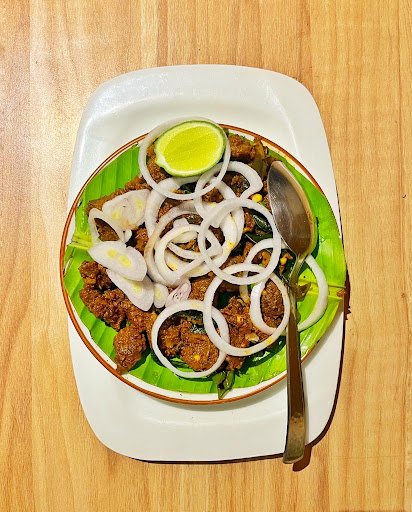
SN Park Rd, opposite Hotel Savoy, Payyambalam, Kannur, Kerala 670001, India
+91 94009 05060
| Friday | 12 PM–12:30 AM |
| Saturday | 12 PM–12:30 AM |
| Sunday | 12 PM–12:30 AM |
| Monday | 12 PM–12:30 AM |
| Tuesday | 12 PM–12:30 AM |
| Wednesday | 12 PM–12:30 AM |
| Thursday | 12 PM–12:30 AM |
MVK Restaurant
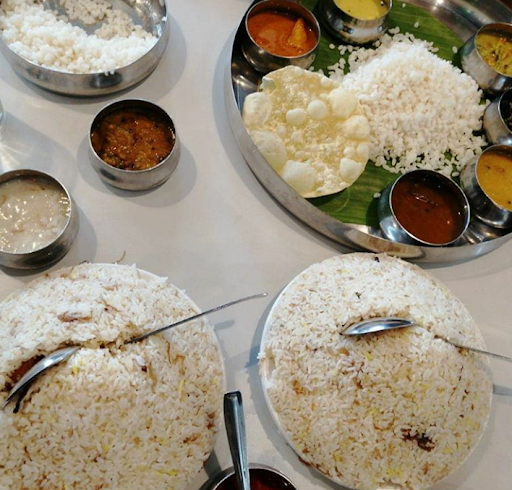
V9C7+XPF, SM Rd, opp. Kamala International Hotel, Kannur, Kerala 670001, India
+91 497 276 7192
| Friday | 11 AM–10 PM |
| Saturday | 11 AM–10 PM |
| Sunday | 11 AM–10 PM |
| Monday | 11 AM–10 PM |
| Tuesday | 11 AM–10 PM |
| Wednesday | 11 AM–10 PM |
| Thursday | 11 AM–10 PM |
Bel Canto Multi Cuisine Restaurant
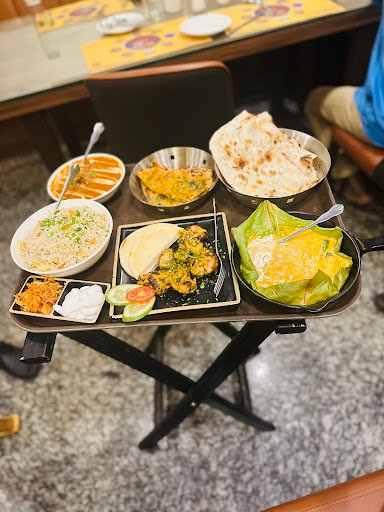
Hotel Benale International, Padannapalam Road, opposite Sunshine Apartments, Manjapalam, Kannur, Kerala 670001, India
+91 92880 34447
| Friday | 7:30 AM–10:30 PM |
| Saturday | 7:30 AM–10:30 PM |
| Sunday | 7:30 AM–10:30 PM |
| Monday | 7:30 AM–10:30 PM |
| Tuesday | 7:30 AM–10:30 PM |
| Wednesday | 7:30 AM–10:30 PM |
| Thursday | 7:30 AM–10:30 PM |
Hotel Odhen’s
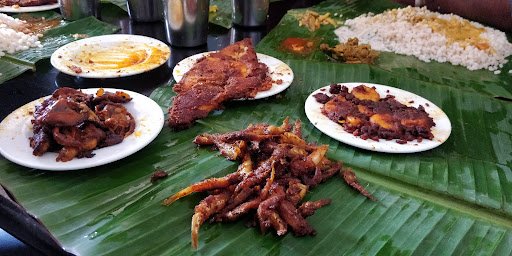
V986+XVR, Onden Rd, near Saranya Hotel, Kannur, Kerala 670001, India
+91 98953 65115
| Friday | 12–4 PM |
| Saturday | 12–4 PM |
| Sunday | Closed |
| Monday | 12–4 PM |
| Tuesday | 12–4 PM |
| Wednesday | 12–4 PM |
| Thursday | 12–4 PM |
Al Taza – Kannur
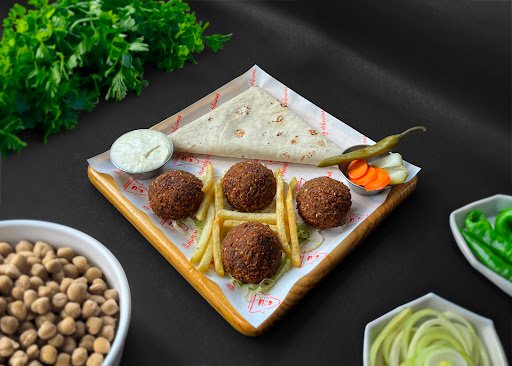
Sea Breeze Inn, SN Park Road, PS Rd, Kannur, Kerala 670001, India
+91 75111 73333
| Friday | 2 PM–12 AM |
| Saturday | 1 PM–12 AM |
| Sunday | 1 PM–12 AM |
| Monday | 1 PM–12 AM |
| Tuesday | 1 PM–12 AM |
| Wednesday | 1 PM–12 AM |
| Thursday | 1 PM–12 AM |
Raandhal Restaurant
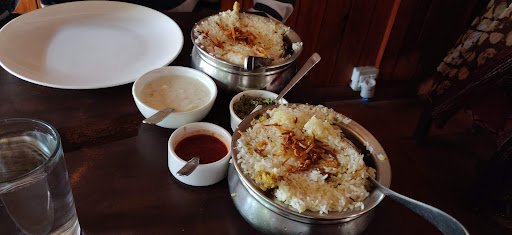
Pamban Madhavan Rd, near AKG Hospital, Talap, Kannur, Kerala 670002, India
+91 88911 91919
| Friday | 9:30 AM–11 PM |
| Saturday | 9:30 AM–11 PM |
| Sunday | 9:30 AM–11 PM |
| Monday | 9:30 AM–11 PM |
| Tuesday | 9:30 AM–11 PM |
| Wednesday | 9:30 AM–11 PM |
| Thursday | 9:30 AM–11 PM |
Turkwise – Turkish Restaurant & Cafe
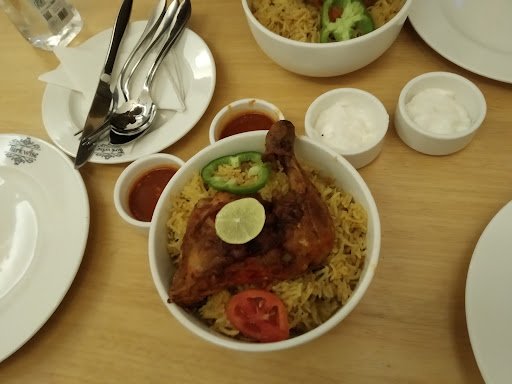
V986+JJR, Onden Rd, Kannur, Kerala 670001, India
+91 95448 09090
| Friday | 11 AM–11 PM |
| Saturday | 11 AM–11 PM |
| Sunday | 11 AM–11 PM |
| Monday | 11 AM–11 PM |
| Tuesday | 11 AM–11 PM |
| Wednesday | 11 AM–11 PM |
| Thursday | 11 AM–11 PM |
Arafa Restaurant
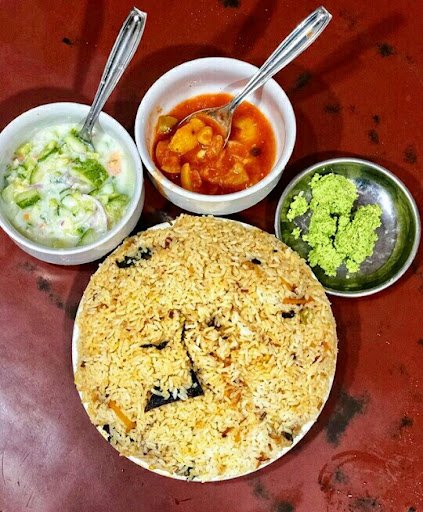
MA Rd, Kannur, Kerala 670001, India
+91 94007 48312
| Friday | 7 AM–11 PM |
| Saturday | 7 AM–11 PM |
| Sunday | 7 AM–11 PM |
| Monday | 7 AM–11 PM |
| Tuesday | 7 AM–11 PM |
| Wednesday | 7 AM–11 PM |
| Thursday | 7 AM–11 PM |
Malabar Rasoi
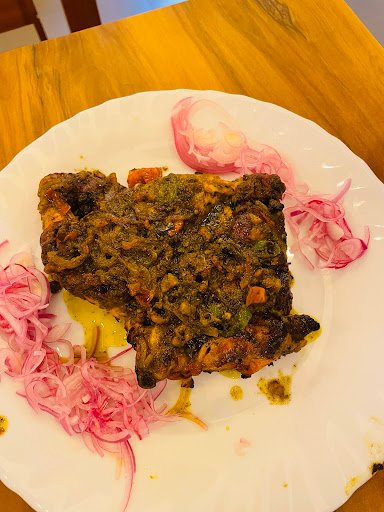
Padannapalam, Kannur, Kerala 670014, India
+91 88916 92900
| Friday | 10 AM–10 PM |
| Saturday | 10 AM–10 PM |
| Sunday | 9 AM–10 PM |
| Monday | 10 AM–10 PM |
| Tuesday | 10 AM–10 PM |
| Wednesday | 10 AM–10 PM |
| Thursday | 10 AM–10 PM |
Decoding the Heat: Where Pepper is King in Kannur’s Kitchens
The Mighty Malabar Pepper and Its Varietals
The spice game in Kannur starts, quite frankly, with the peppercorn. Think of it like the classic ‘vanilla bean’ of the spice world, but with a thousand times the personality. Kannur benefits from being deep within the Malabar coast region, meaning the peppers grown here are not just *hot*; they possess a complex aroma profile that standard black pepper often lacks. You’ll encounter Tellicherry Garbled Extra Bold (TGEB), which is like the aged, full-bodied wine of the pepper world, offering a deeper, less abrasive burn and incredible aromatic finish that elevates everything from seafood curries to slow-cooked beef fry.
Cannizzal and the Secret of Slow-Burn Heat
If you’re looking for the intense, almost creeping heat that defines many Kannur dishes, you need to look beyond standard chili powders and focus on something akin to the local ‘cannizzal’ methods—a technique often involving drying and slow-roasting the chillies used. This process caramelizes some of the natural sugars while simultaneously concentrating the capsaicin oils. The result is a slow-building heat that doesn’t immediately shock the palate but lingers beautifully, ensuring that each mouthful demands a thoughtful approach rather than a frantic gulp of water.
The Crucial Role of Bird’s Eye Chilies (Kanthari Mulaku)
While larger red chilies provide the color and base warmth, the real *fireworks* in many authentic Kannur preparations come from the tiny, almost aggressive Kanthari Mulaku, or Bird’s Eye Chili. These little bullets are intense; imagine a fighter jet compared to a delivery drone. They are often used whole or lightly crushed and introduced near the end of cooking or even used raw in fresh chutneys, providing that sharp, immediate punctuation mark of spiciness that cuts through the richness of coconut milk curries and oily side dishes.
Tempering Traditions: Mustard Seeds Versus Chili Fry
In many parts of South India, the tempering—the final act of frying spices in hot oil to release their flavors—is often dominated by mustard seeds. In the spiciest pockets of Kannur cuisine, however, you’ll notice a clear shift where whole dried red chilies and curry leaves become the primary agents of aromatic release during the *tadka*. This means the oil itself becomes heavily infused with a foundational level of medium-high heat before it even touches the main ingredients, effectively priming the entire dish for spiciness.
Coconut Milk: The Fire Suppressant and Flavor Enhancer
It’s easy to focus only on the peppers, but the secret ingredient that allows Kannur cuisine to be both fiercely hot and eminently delicious is the heavy reliance on freshly extracted coconut milk. Think of the coconut milk as a powerful, slightly sweet chemical buffer. It doesn’t neutralize the heat completely, but its fat content wraps around the capsaicin molecules, ensuring that the powerful spice coats the tongue evenly and gracefully, creating a rich, textural counterbalance to the intense capsaicin blast.
https://youtube.com/watch?v=1fbXENSjNI8
More information
What makes the spices of Kannur distinct from those found in other parts of South India?
The uniqueness of Kannur spices, especially those found in the Malabar region, lies in their unique terroir—the soil, climate, and altitude create flavor profiles that are difficult to replicate elsewhere. Think of it like wine grapes; while you can grow a certain variety across a region, the Kannur area yields spices with a deeper, often more intense aroma and specific heat nuances, particularly with their locally grown black pepper, which benefits from the heavy monsoon rains that nourish the spice gardens, resulting in premium high-oil content pepper.
If I’m new to intense heat, what is a good introductory dish in Kannur to sample the local spice profile without immediate regret?
For a manageable yet authentic introduction, skip the extreme curries and head straight for a Thalassery Biryani. While it has spice, it’s more of a fragrant warmth than a scorching burn. The heat comes balanced by the rich Ghee (clarified butter) and the complex, aromatic blend of spices used, like green cardamom and cinnamon, rather than relying solely on raw chilies. It’s like starting with a mildly spiced salsa before trying pure ghost pepper—it introduces you to the symphony of flavor, not just the loudest instrument.
What is the ‘secret weapon’ chili variety often used in Kannur cuisine that delivers that signature fiery kick?
The star player often responsible for the potent heat in Kannur cooking is the local variety of chili, sometimes related to or derived from the ‘Kashmiri chili’ but often cultivated specifically to enhance Scoville units. However, the true secret weapon isn’t always one single chili; it’s the technique of sun-drying the chilies which concentrates their capsaicin (the heat molecule) and flavor. This preparation method, often using shade-dried green chilies ground fresh, delivers an immediate, sharp burst of heat that perfectly complements the earthy richness of their coconut-based gravies.
Beyond chilies and pepper, what less common spice plays a crucial role in achieving the savory depth in Kannur’s meat preparations?
A critical, often unsung hero in the savory depth of Kannur meat dishes (like stews or roasts) is dried Pothu Jil Iri, which is a potent, darker variety of dried local pepper, often complemented heavily by Mace (the lacy covering of the nutmeg seed). While nutmeg gives sweetness, mace offers a sharper, more immediate peppery lift without the bitterness that can sometimes accompany overuse of whole nutmeg. It acts as a magnificent bridge, tying the heat of the chilies to the earthiness of the heavier ingredients like tamarind and slow-cooked meat.
Related Posts
The Ultimate Guide to Authentic Food in Latur, India: Must-Try Dishes and Local Eateries
A Culinary Voyage: Unveiling the Unforgettable Flavors of Food in Thoothukkudi, India
Unearth the Hidden Flavors: Your Essential Guide to Food in Bhagalpur, India
Unveiling the Culinary Mosaic: Your Definitive Guide to Food in Sangli, India
The Essential Guide to Food in Rohtak, India: A Culinary Journey Made Simple
The Gastronomic Tapestry: A Vivid Exploration of Food in Udaipur, India
Jalgaon’s Culinary Canvas: Unveiling the Essential Flavors of Food in Jalgaon, India
The Hidden Flavors of Vellore: An Insider’s Guide to Food in Vellore, India
Añadir comentario