Mangalorean cuisine is a vibrant tapestry woven from the Arabian Sea’s bounty and the region’s rich, sometimes fiery, spice legacy. Forget the pale imitations; this is where culinary boundaries truly blur. Venturing into the heart of this coastal Karnataka gem reveals a deep, complex flavor profile unlike any other in India—boldly acidic, undeniably aromatic, and deceptively layered. Prepare to explore beyond the familiar coastal staples as we chart a definitive course through authentic Mangalorean haunts. The true taste of this city, raw and unforgettable, awaits the discerning palate.
The Konkan Crucible: Decoding Mangalore’s Flavor Matrix, Where Heat Meets Heritage
The Grand Kitchen – Multi Cuisine Restaurant
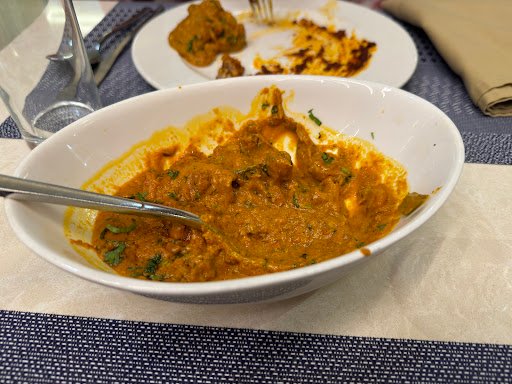
Ground Floor, AJ Grand Hotel, Near, Bunts Hostel Rd, Boloor, Mangaluru, Karnataka 575003, India
None
| Friday | 12–3:30 PM, 7–11 PM |
| Saturday | 12–3:30 PM, 7–11 PM |
| Sunday | 12–3:30 PM, 7–11 PM |
| Monday | 12–3:30 PM, 7–11 PM |
| Tuesday | 12–3:30 PM, 7–11 PM |
| Wednesday | 12–3:30 PM, 7–11 PM |
| Thursday | 12–3:30 PM, 7–11 PM |
Machali
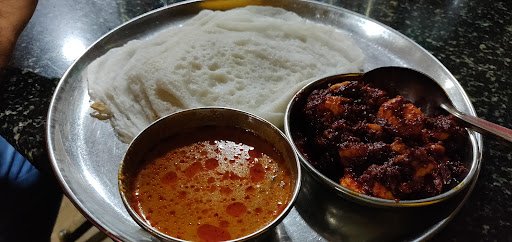
Sharada Vidyalaya Rd, behind Ocean Pearl, Kodailbail, Mangaluru, Karnataka 575003, India
+91 77959 57575
| Friday | 11:30 AM–3:30 PM, 7–10 PM |
| Saturday | 11:30 AM–3:30 PM, 7–10 PM |
| Sunday | 11:30 AM–3:30 PM, 7–10 PM |
| Monday | 11:30 AM–3:30 PM, 7–10 PM |
| Tuesday | 11:30 AM–3:30 PM, 7–10 PM |
| Wednesday | 11:30 AM–3:30 PM, 7–10 PM |
| Thursday | 11:30 AM–3:30 PM, 7–10 PM |
GiriManja’s
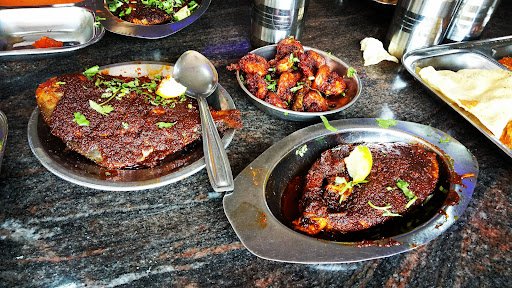
Kalikamba Temple, Azizuddin Cross Rd, Bhavathi, Bunder, Mangaluru, Karnataka 575001, India
+91 99000 00080
| Friday | 11:30 AM–3:30 PM |
| Saturday | 11:30 AM–3:30 PM |
| Sunday | 11:30 AM–3:30 PM |
| Monday | 11:30 AM–3:30 PM |
| Tuesday | 11:30 AM–3:30 PM |
| Wednesday | 11:30 AM–3:30 PM |
| Thursday | 11:30 AM–3:30 PM |
Olive Street Food Cafe – Mangalore
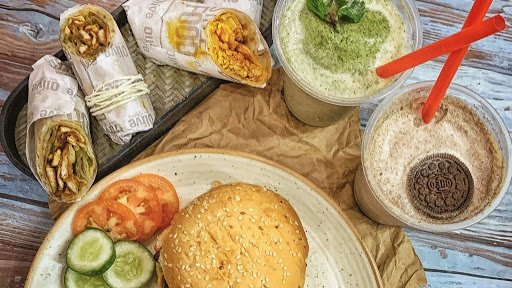
building,Ground floor, Inland Avenue, near, Shri Devi College Rd, Ballalbagh, Lalbagh, Mangaluru, Karnataka 575003, India
+91 77364 14117
| Friday | 11:30 AM–10:20 PM |
| Saturday | 11:30 AM–10:20 PM |
| Sunday | 12:15–10:20 PM |
| Monday | 11:30 AM–10:20 PM |
| Tuesday | 11:30 AM–10:20 PM |
| Wednesday | 11:30 AM–10:20 PM |
| Thursday | 11:30 AM–10:20 PM |
Kni Hau
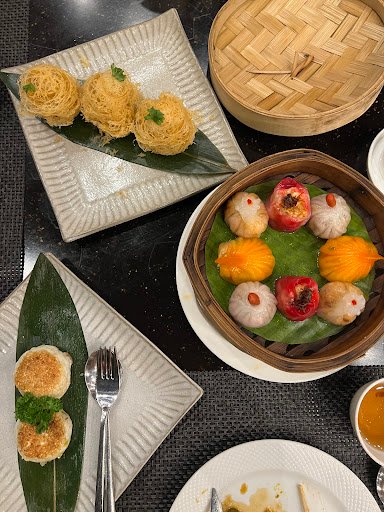
Level E, Hotel GoldFinch, Bunts Hostel Rd, near Jyothi Circle, Balmatta, Mangaluru, Karnataka 575003, India
+91 72040 08452
| Friday | 12–4 PM, 7–11:30 PM |
| Saturday | 12–4 PM, 7–11:30 PM |
| Sunday | 12–4 PM, 7–11:30 PM |
| Monday | 12–4 PM, 7–11:30 PM |
| Tuesday | 12–4 PM, 7–11:30 PM |
| Wednesday | 12–4 PM, 7–11:30 PM |
| Thursday | 12–4 PM, 7–11:30 PM |
OLAN RESTAURANT MANGALORE
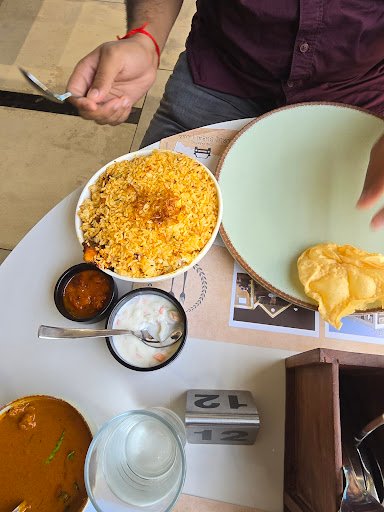
Saraswathi Complex, KMC Mercara Trunk Rd, Mallikatte, Kadri, Mangaluru, Karnataka 575002, India
+91 90353 58399
| Friday | 12–11 PM |
| Saturday | 12–11 PM |
| Sunday | 12–11 PM |
| Monday | 12–11 PM |
| Tuesday | 12–11 PM |
| Wednesday | 12–11 PM |
| Thursday | 12–11 PM |
KOOK Best Nonveg Halal Restaurant in Mangalore
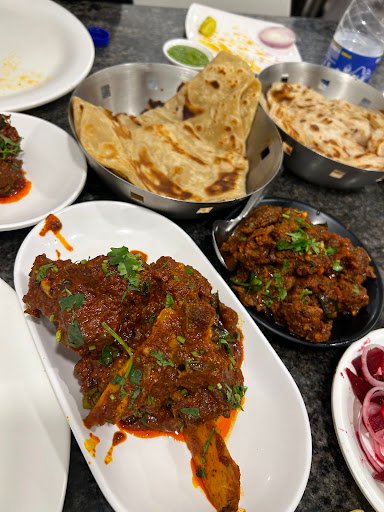
Hotel Bluestar Complex, FALNIR ROAD OPPOSITE HOTEL MOTHI MAHAL, HOTEL BLUESTAR COMPLEX, Mother Theresa Rd, Falnir Rd, Hampankatta, Mangaluru, Karnataka 575001, India
+91 74069 63333
| Friday | 1:30–4 PM, 6–11 PM |
| Saturday | 12–4 PM, 6–11 PM |
| Sunday | 12–4 PM, 6–11 PM |
| Monday | 12–4 PM, 6–11 PM |
| Tuesday | 12–4 PM, 6–11 PM |
| Wednesday | 12–4 PM, 6–11 PM |
| Thursday | 12–4 PM, 6–11 PM |
Maharaja Family Restaurant
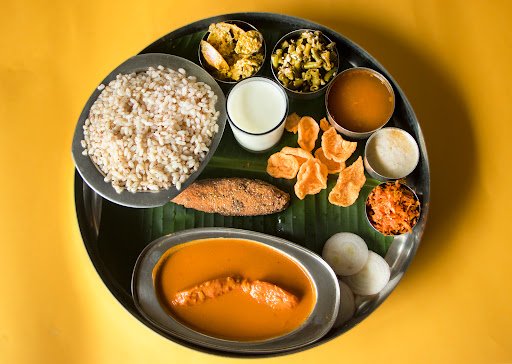
1st, The Trade Center, Bunts Hostel Rd, near Jyothi Talkies, Hampankatta, Mangaluru, Karnataka 575003, India
+91 824 244 1526
| Friday | 11:30 AM–3:30 PM, 6:30–11 PM |
| Saturday | 11:30 AM–3:30 PM, 6:30–11 PM |
| Sunday | 11:30 AM–3:30 PM, 6:30–11 PM |
| Monday | 11:30 AM–3:30 PM, 6:30–11 PM |
| Tuesday | 11:30 AM–3:30 PM, 6:30–11 PM |
| Wednesday | 11:30 AM–3:30 PM, 6:30–11 PM |
| Thursday | 11:30 AM–3:30 PM, 6:30–11 PM |
Chutney Pure Veg Restaurant
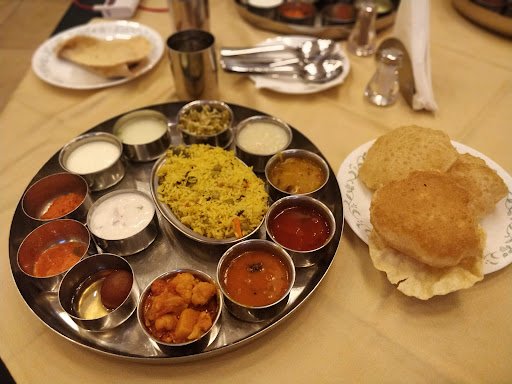
Tilak Nagar, New South Wharf, Boloor, Kodailbail, Mangaluru, Karnataka 575003, India
+91 824 249 7101
| Friday | 7 AM–10:30 PM |
| Saturday | 7 AM–10:30 PM |
| Sunday | 7 AM–10:30 PM |
| Monday | 7 AM–10:30 PM |
| Tuesday | 7 AM–10:30 PM |
| Wednesday | 7 AM–10:30 PM |
| Thursday | 7 AM–10:30 PM |
Grand Madhuvan NX
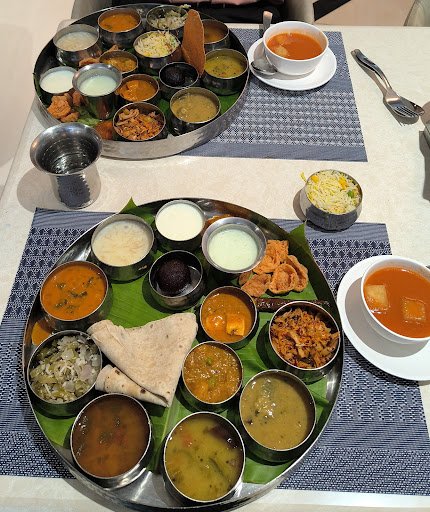
Ground Floor, AJ Grand Hotel, Near, Bunts Hostel Rd, Boloor, Hampankatta, Mangaluru, Karnataka 575003, India
+91 824 286 2400
| Friday | 7 AM–10:30 PM |
| Saturday | 7 AM–10:30 PM |
| Sunday | 7 AM–10:30 PM |
| Monday | 7 AM–10:30 PM |
| Tuesday | 7 AM–10:30 PM |
| Wednesday | 7 AM–10:30 PM |
| Thursday | 7 AM–10:30 PM |
The Emerald Coast’s Culinary Cipher: Decoding Mangalorean Palates
The flavors of Mangalore, nestled on India’s southwestern coastline where the Western Ghats meet the Arabian Sea, are not merely ingredients mingled on a plate; they are a complex dialect spoken by generations, seasoned by history, and steeped in local ecology. This coastal convergence yields a cuisine defined by the sharp tang of kokum, the fragrant punch of fresh coconut, and an assertive embrace of heat derived from indigenous chilies, presenting a profound sensory map for any true epicurean willing to navigate its subtle terrain.
The Tyranny of Tradition: Matera and the Art of Fermentation
Mangalorean culinary identity is intrinsically tied to its methods, with masalas often being hand-ground or pounded, releasing aromatic compounds far more vibrantly than industrialized grinding ever could, showcasing a dedication to the *process* over mere expediency. Fermentation, too, plays a quiet, essential role, yielding souring agents like kudampuli (Malabar tamarind) which impart the distinctive sour depth critical to landmark dishes like fish curry, demonstrating an ancient wisdom regarding preservation and flavor complexity.
Beyond the Fish Fry: The Surprising Terroir of Mangalorean Poultry
While the ocean’s bounty rightly claims much of the spotlight, the land-based staples reveal a surprising, equally robust character, particularly in preparations involving local chicken or mutton, often marrying those fierce coastal spices with ingredients more typical of the nearby Ghats. Dishes such as Chicken Ghee Roast exemplify this synthesis—the initial fiery marination mellows under the rich embrace of clarified butter, transforming sharp spice into a deep, caramelized resonance that clings tantalizingly to the palate.
The Coconut Crucible: Oil, Milk, and the Pervasive Fat Structure
Coconut, being both abundant and fundamental to the region’s agro-ecology, functions as more than just a background flavor; it dictates the very *texture* and *mouthfeel* of countless Mangalorean preparations, moving fluidly from creamy milk to grated garnish to pure, pressed oil. Understanding the dominance of virgin coconut oil as the primary cooking medium is paramount, as it carries heat differently and imparts a subtly sweet, nutty baseline flavor that anchors everything from simple *kheers* to complex seafood gravies.
Navigating the ‘Amboli’ Divide: Rice’s Varied Architecture
The utilization of rice within the diet speaks volumes about local agricultural mastery, presenting itself in various textures—from the steaming, fluffy mound accompanying main courses to the fermented, delicate discs known as pancakes or *amboli*. This duality—rice as a humble foil and rice as a textured canvas for spicy relishes—shows how one grain can assume completely different structural roles depending on the desired gustatory outcome.
The Sweet Subversion: Jaggery and the Spice of Dessert
Even the concluding courses defy simplicity, frequently employing palm jaggery or raw cane sugar not merely for sweetness, but as a grounding counterpoint to the inherent heat found even in ostensibly gentle puddings. The use of local sweeteners like neer* or *date palm jaggery offers a darker, more mineral-rich sweetness compared to refined white sugar, lending an earthy complexity that harmonizes beautifully when paired unexpectedly with cardamom or clove.
https://youtube.com/watch?v=x0a99ShU1No
More information
Beyond the universally known chili, what are the secret weapons in the Mangalorean spice arsenal that give its cuisine its distinctive fiery yet nuanced flavor profile?
The true soul of Mangalorean cuisine, often found nestled beneath the vibrant heat of the chili, resides in the masterful combination of kokum (for sourness), garcinia indica, and a frequent, judicious use of freshly roasted spices like coriander and fenugreek. Unlike many other Indian regions, the heavy reliance on fresh coconut milk acts not merely as a thickener but as a balancing medium, softening the edge of the spices while absorbing their aromatic complexities, leading to that characteristic ‘cool fire’ sensation that defines dishes like the legendary fish curry.
Is Mangalorean food inherently vegetarian-focused due to regional or religious influences, or is the sea the true dominant culinary compass?
While the region boasts a remarkably rich heritage of Goud Saraswat Brahmin (GSB) vegetarian traditions, which utilize inventive ways to derive umami from lentils and vegetables, it is undeniable that the proximity to the Arabian Sea has forged the cuisine’s culinary identity. The sea acts as the primary larder; seafood preparations, particularly those involving mackerel (bangude), pomfret, and prawns, form the bedrock of everyday non-vegetarian fare. It’s a beautiful dualism: two distinct, sophisticated worlds—the fertile inland with its root vegetables and the abundant coast—coexisting and occasionally influencing each other in delightful gastronomic exchanges.
What distinguishes a true Mangalorean ‘Ghee Roast’ preparation from standard pan-fried seafood preparations found elsewhere on the Konkan coast?
The Mangalorean Ghee Roast is an exercise in patience and fat alchemy. It transcends simple frying because the technique involves slow-roasting marinated fish (often pork belly in traditional settings, but commonly prawns or chicken now) in an abundance of clarified butter (ghee) until the marinade’s spices are fully bloomed and caramelized onto the protein’s exterior, developing a deep, ruddy crust that is crisp yet yielding. The distinctive color and almost nutty, savory-sour coating are achieved by infusing the ghee with a very specific, potent blend of red chilies and Kashmiri chilies—it’s less about quick searing and more about a flavorful, buttery encapsulation.
For a newcomer, which single, perhaps less-advertised dish provides the most authentic, immediate ‘taste’ of Mangalore that differs significantly from stereotypical South Indian cuisine?
To bypass the more familiar dosas and ids, a newcomer should immediately seek out Neer Dosa served with a side of Chicken Sukka. The Neer Dosa, or ‘water crepe,’ is feather-light and made from a thin rice batter, intended to be porous enough to perfectly soak up gravies. When paired with Chicken Sukka—a relatively dry preparation featuring deeply toasted spices, scant gravy, and that ever-present coconut fragrance—it provides an immediate, nuanced insight: the interplay between the delicate crepe and the intense, spice-crusted chicken speaks volumes about the regional predilection for texture and bold flavor balancing.
Related Posts
The Ultimate Guide to Authentic Food in Latur, India: Must-Try Dishes and Local Eateries
A Culinary Voyage: Unveiling the Unforgettable Flavors of Food in Thoothukkudi, India
Unearth the Hidden Flavors: Your Essential Guide to Food in Bhagalpur, India
Unveiling the Culinary Mosaic: Your Definitive Guide to Food in Sangli, India
The Essential Guide to Food in Rohtak, India: A Culinary Journey Made Simple
The Gastronomic Tapestry: A Vivid Exploration of Food in Udaipur, India
Jalgaon’s Culinary Canvas: Unveiling the Essential Flavors of Food in Jalgaon, India
The Hidden Flavors of Vellore: An Insider’s Guide to Food in Vellore, India
Añadir comentario