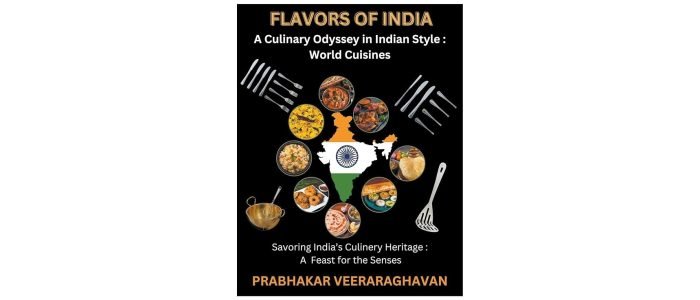
Pull up a chair, friend, because we’re about to ditch the tourist traps and dive headfirst into a seriously tasty secret: the food scene in Shimoga, India. Forget what you think you know about regional cuisine; this place is where ancient spice routes meet heartwarming home cooking, creating flavors that’ll practically make your eyes water (in the best way possible, mind you). We’re not just talking dinner; we’re charting a gastronomic odyssey, uncovering those hidden little eateries serving up regional masterpieces that tourists usually just breeze past. Trust me, your taste buds are gonna want to send a postcard from here. Let’s dig in!
Shimoga’s Culinary Secrets: A Deep Dive into Local Tastes
ISIRI Multi Cuisine Restaurant
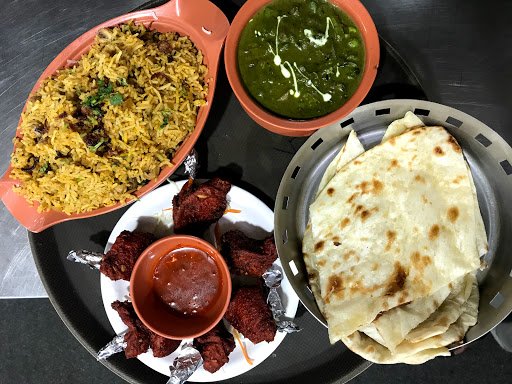
Savar Line Rd, near Manasa nursing home, Durgigudi, Shivamogga, Karnataka 577201, India
+91 63636 22870
| Friday | 11:30 AM–11 PM |
| Saturday | 11:30 AM–11 PM |
| Sunday | 11:30 AM–11 PM |
| Monday | 11:30 AM–11 PM |
| Tuesday | 11:30 AM–11 PM |
| Wednesday | 11:30 AM–11 PM |
| Thursday | 11:30 AM–11 PM |
HOTEL SHUBHAM
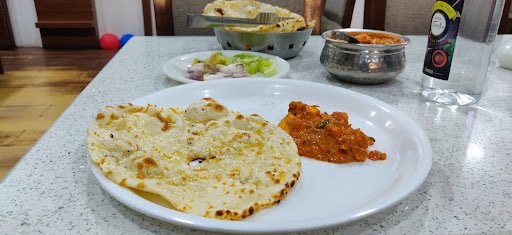
L.L.R Road,durgudi 1st cross, 01, Shivamogga, Karnataka 577201, India
+91 81824 03403
| Friday | 7 AM–11 PM |
| Saturday | 7 AM–11 PM |
| Sunday | 7 AM–11 PM |
| Monday | 7 AM–11 PM |
| Tuesday | 7 AM–11 PM |
| Wednesday | 7 AM–11 PM |
| Thursday | 7 AM–11 PM |
AMMI’S KITCHEN

WHP4+68J, Gopala main road, Netaji circle, Shivamogga, Karnataka 577205, India
None
| Thursday | 12 AM–12 PM, 12:30 PM–12 AM |
| Friday | 12 AM–12 PM, 12:30 PM–12 AM |
| Saturday | 12 AM–12 PM, 12:30 PM–12 AM |
| Sunday | 12 AM–12 PM, 12:30 PM–12 AM |
| Monday | 12 AM–12 PM, 12:30 PM–12 AM |
| Tuesday | 12 AM–12 PM, 12:30 PM–12 AM |
| Wednesday | 12 AM–12 PM, 12:30 PM–12 AM |
Sri Udupi Food Palace ಶ್ರೀ ಉಡುಪಿ ಫುಡ್ ಪ್ಯಾಲೇಸ್
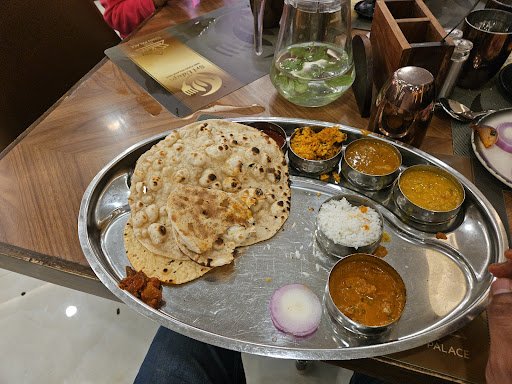
LLR Rd, Durgigudi, Shivamogga, Karnataka 577201, India
+91 89041 84999
| Friday | 7 AM–10:30 PM |
| Saturday | 7 AM–10:30 PM |
| Sunday | 7 AM–10:30 PM |
| Monday | 7 AM–10:30 PM |
| Tuesday | 7 AM–10:30 PM |
| Wednesday | 7 AM–10:30 PM |
| Thursday | 7 AM–10:30 PM |
Krishi Restaurant
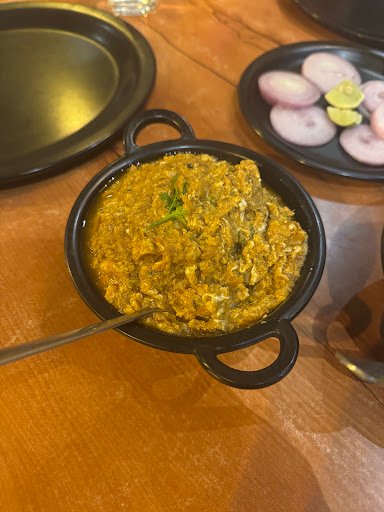
near Vishal Mart, Neelamegham Layout, Gopala Gowda Extension, Shivamogga, Karnataka 577205, India
+91 91106 33590
| Friday | 12–10:30 PM |
| Saturday | 12–10:30 PM |
| Sunday | 12–10:30 PM |
| Monday | 12–10:30 PM |
| Tuesday | 12–10:30 PM |
| Wednesday | 12–10:30 PM |
| Thursday | 12–10:30 PM |
Sri Meenakshi Bhavan
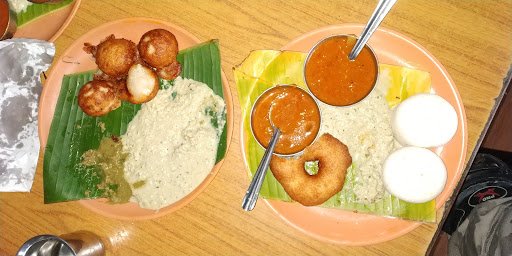
Bengaluru - Honnavar Rd, Tank Mohalla, Shivamogga, Karnataka 577201, India
+91 81822 70549
| Friday | 7:30 AM–8:30 PM |
| Saturday | 7:30 AM–8:30 PM |
| Sunday | 7:30 AM–8:30 PM |
| Monday | 7:30 AM–8:30 PM |
| Tuesday | 7:30 AM–8:30 PM |
| Wednesday | 7:30 AM–8:30 PM |
| Thursday | 7:30 AM–8:30 PM |
Sri Vishnu Bhojanalaya & Caterers
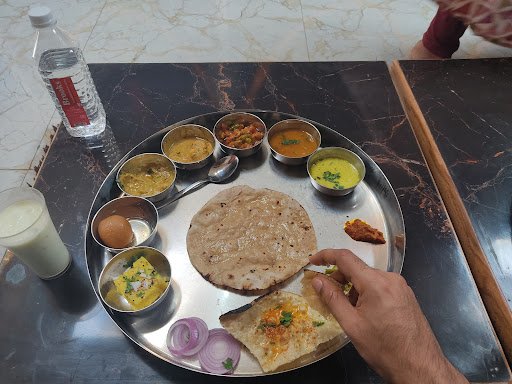
Karidevar Keri, D.K. Complex, 1st Cross, Near Lokpriya, Gandhi Bazar, Shivamogga, Karnataka 577202, India
+91 97997 10737
Spice veg restaurant
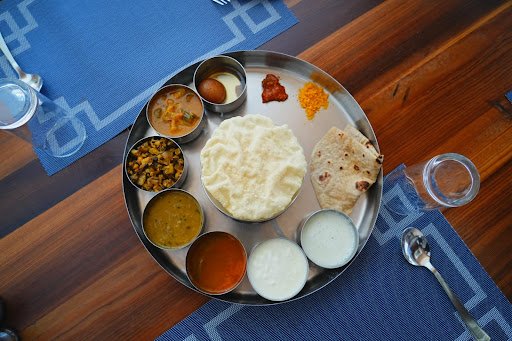
Ground floor, akash inn, RMR road, Durgigudi, Shivamogga, Karnataka 577201, India
+91 70266 21654
| Friday | 7:30 AM–10 PM |
| Saturday | 7:30 AM–10 PM |
| Sunday | 7:30 AM–10 PM |
| Monday | 7:30 AM–10 PM |
| Tuesday | 7:30 AM–10 PM |
| Wednesday | 7:30 AM–10 PM |
| Thursday | 7:30 AM–10 PM |
Anmol The Family Cuisine
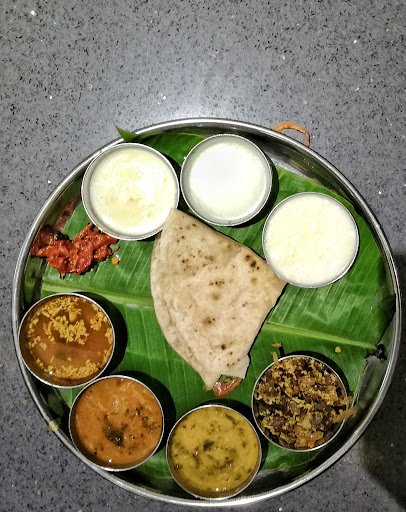
Devraj Urs Complex, Gopi Circle, Nehru Rd, Durgigudi, Shivamogga, Karnataka 577201, India
+91 80502 26666
| Friday | 11 AM–11 PM |
| Saturday | 11 AM–11 PM |
| Sunday | 11 AM–11 PM |
| Monday | 11 AM–11 PM |
| Tuesday | 11 AM–11 PM |
| Wednesday | 11 AM–11 PM |
| Thursday | 11 AM–11 PM |
Pepper Non-veg Restaurant and Bar
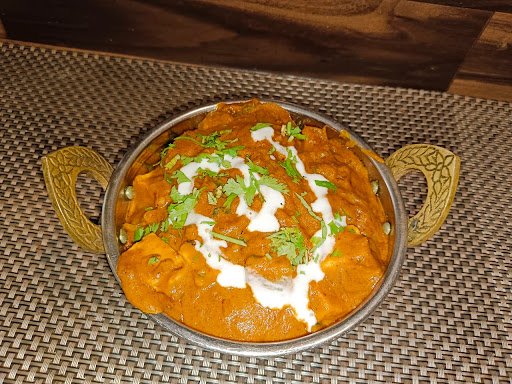
5th floor, Akash inn, Ratnamma Madhava Rao Rd, Durgigudi, Shivamogga, Karnataka 577201, India
+91 81822 28888
| Friday | 11 AM–11 PM |
| Saturday | 11 AM–11 PM |
| Sunday | 11 AM–11 PM |
| Monday | 11 AM–11 PM |
| Tuesday | 11 AM–11 PM |
| Wednesday | 11 AM–11 PM |
| Thursday | 11 AM–11 PM |
Decoding the Malnad Palate: Spices, Techniques, and Local Legends
The culinary landscape of Shimoga, nestled in the heart of the Malnad region of Karnataka, is far richer than the casual visitor might assume, presenting a fascinating intersection of sylvan ingredients, traditional preservation methods, and distinct regional spice profiles dictated by the abundant monsoon rains. Exploring this food journey isn’t just about tasting dishes; it’s about understanding how geography shapes gastronomy, leading to the unique use of local jungle tubers, the prized *areca nut*, and the liberal yet balanced incorporation of indigenous pepper varieties that give Malnad cuisine its signature warmth and earthy depth.
The Essential Role of Coastal Proximity in Flavor Profiles
The proximity of Shimoga to the Arabian Sea, while not immediate, still influences ingredient availability and historical trade routes, resulting in a culinary dialogue where freshly caught river fish frequently replaces traditional inland meats, demanding flavor complements like kokum and tamarind for a bright, sharp tang that cuts through the richness of coconut-based gravies, a clear departure from drier, more northern Indian spices.
Mastering the Art of ‘Neer Dosa’ and Staple Grains
At the core of the Shimoga breakfast lies the Neer Dosa, a deceptively simple, thin crepe made only from ground rice and water, valued for its ethereal lightness and ability to serve as the perfect neutral canvas for robust side dishes, symbolizing the local emphasis on clean textures that allow the complexity of the accompaniments, like spicy chutneys or savory sambars, to truly dominate the palate.
Unearthing Forgotten Tubers and Forest Produce
A significant distinguishing feature of Malnad food is the deep integration of foraged forest vegetables and underground tubers that thrive in the damp soil, demanding specialized preparation techniques, often involving slow roasting or complex sequential boiling to neutralize potential bitterness and unlock their subtle, starchy sweetness, offering nutritional sustenance deeply tied to the seasonal availability of the jungle.
The Sacred Geometry of ‘Chutney’ Preparations
Shimoga’s chutneys transcend mere condiments; they are meticulously balanced pastes where texture and flavor must achieve a harmonious equilibrium, requiring precise ratios of fresh cilantro, mint, dry coconut, and fiery local green chilies, often ground using traditional stone mortars to release essential oils that create a coarsely textured vibrancy unlike smoother, blended modern counterparts.
The Unique Pungency Derived from Local Pepper and Indigenous Spices
What separates Malnad spice blends from general South Indian profiles is the robust cultivation of black pepper, often producing a cleaner, more volatile pungency; this is thoughtfully blended with aromatic curry leaves and sometimes a whisper of dried ginger to create signature *masalas* that offer an initial sharpness followed by a lingering, warming resonance rather than overt heat.
https://youtube.com/watch?v=aiPHnWgDvgw
More information
Beyond the well-known staples, what surprising regional specialties define the unique culinary landscape of Shimoga?
Shimoga, a treasure trove nestled in the Malnad region, offers far more than its ubiquitous rice and local lentil preparations. A true odyssey into its hidden flavors reveals specialties like Bhasmadi Roti, a subtly smoky bread often served with forest honey, and the incredibly vibrant Malnad Chicken Curry, distinguished by its deep crimson hue derived from specific sun-dried chilies indigenous to the Ghats. Furthermore, the surprisingly delicate preparations using riverine greens, such as Palsoppu, reveal a profound connection between the local terrain and the plate, showcasing an unheralded yet utterly captivating culinary signature.
What is the significance of traditional cooking methods, such as earthen pots and open-fire preparation, in preserving the authentic taste profile of Shimoga cuisine?
The integrity of Shimoga’s traditional flavor is inextricably linked to its age-old preparation techniques, which transcend mere cooking into an act of preservation. Utilizing earthenware pots, often made from local clay, imparts a unique mineral resonance to slow-cooked curries, fostering an even heat distribution that deepens the complexity of spices. The use of open-fire cooking—or ‘Chulha’ style—introduces a delicate smokiness, known locally as dhungar, which marries beautifully with the often-sour elements (like tamarind or kokum) prevalent in their gravies. These methods ensure that the subtle notes of spice, freshly ground turmeric, and endemic herbs remain vibrant, resisting the flattening effect of modern industrial cooking.
Where might a dedicated gastronome find the most authentic, untouched culinary experiences away from commercialized tourist centers in Shimoga?
To truly unveil the hidden essence of Shimoga’s gastronomy, one must venture slightly off the main arteries, seeking out what are known as ‘Thottada Mane’ or ‘farmhouse kitchens.’ These modest, often family-run establishments, typically situated near the paddy fields or in older parts of towns like Sagar or Thirthahalli, offer a window into generational recipes. Here, meals are dictated by the seasonal harvest, featuring unparalleled freshness, particularly in vegetarian spreads like the ceremonial Goja Pulusu. Engagement with the local hosts in these settings often unlocks access to forgotten pickles and homemade digestive infusions, which form the true culinary bedrock of the region.
How does the influence of the Western Ghats climate and geography specifically dictate the selection and flavor intensity of spices used in this area?
The lush, monsoon-fed ecosystem of the Western Ghats acts as a natural, high-altitude spice laboratory, directly shaping Shimoga’s flavor intensity. The high humidity and consistent rainfall foster the robust growth of high-oil content spices; notably, the black pepper cultivated here often exhibits a more pungent aroma and hotter finish than its coastal counterparts. Furthermore, the native cultivation of wild varieties of cinnamon and cardamom, often foraged rather than commercially farmed, means the spice profile leans toward deeper, earthier warmth rather than overt sweetness. This geographical blessing results in a cuisine that demands fewer spices, as the natural intensity of the raw ingredients—from ginger to chilies—is inherently amplified.
Related Posts
Discovering the Best Food in Singrauli, India: A Culinary Explorer’s Guide
A Culinary Deep Dive: Unpacking the Unmissable Flavors of Food in Satna, India (Your 2025 Street Food Guide)
Unlock the Secrets of Authentic Food in Rewa, India: A Culinary Deep Dive.
The Ultimate Guide to Amazing Food in Alappuzha, India: Where to Eat Like a Local
The Sizzling Soul of Steel City: Unveiling the Hidden Flavors of Food in Rourkela, India.
Savor the Spice: A Deep Dive into Authentic Food in Sambalpur, India
Unforgettable Flavors: Your Ultimate Guide to Food in Brahmapur, India!
Unveiling the Secret Spice Routes: Your Ultimate Guide to Food in Baripada, India for the Modern Palate
Añadir comentario