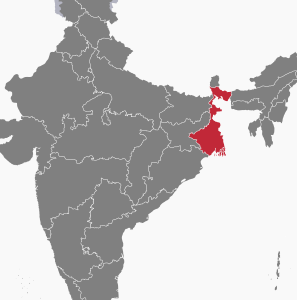
West Bengal stands as a culinary heavyweight within the vibrant tapestry of Indian food culture, offering a gastronomic experience deeply rooted in tradition and characterized by unique regional flavors. Beyond the globally recognized curries, the state presents an intriguing study in diverse ingredients, particularly showcasing exquisite fish and seafood preparations alongside its celebrated sweets. Exploring West Bengal’s food scene offers essential insights into the regional variations that define the broader panorama of food in India, making it a compelling destination for any culinary exploration of the subcontinent.
India
None
West Bengal stands out as a pivotal region within the diverse culinary landscape of India, largely due to its mastery of nuanced, fish-centric dishes like *Macher Jhol* and an unparalleled love for sweets such as *Rasgulla* and *Sandesh*, showcasing a complex interplay between subtle spice blends and a distinct focus on seafood and dairy that distinguishes its offerings from other Indian regional cuisines.
More information
What are the signature street food dishes one must try in West Bengal?
The street food scene in West Bengal is vibrant and diverse, with several must-try items that reflect the local culinary culture. Essential dishes include Phuchka, which is the Bengali version of panipuri, filled with spicy mashed potato and tangy water; Kathi Rolls, famous for their wraps filled with various meats or paneer, often marinated in spices; and Telebhaja, an assortment of deep-fried fritters made from vegetables like eggplant, onion, or green chilies, providing a satisfying savory snack.
What sweets are particularly famous and representative of Bengali cuisine?
West Bengal is internationally renowned for its plethora of milk-based sweets, collectively known as Mishti. The most iconic examples are Rosogolla, soft, spongy cheese balls soaked in light sugar syrup; Sandesh, made from fresh *chhena* (Indian cheese curd) and often flavored with cardamom or saffron; and Mishti Doi, a sweet, set yogurt that achieves its distinct caramelized flavor through slow cooking, representing the essence of Bengali dessert making.
How does the seafood influence the daily cuisine in West Bengal, especially considering its proximity to the coast?
Seafood holds a prominent place in the culinary landscape of West Bengal, particularly fish, often referred to as the ‘piscivore’s paradise.’ Dishes like Machher Jhol (a light fish curry made with seasonal fish like Rohu or Hilsa) are staples. Hilsa (Ilish) fish is revered and prepared in myriad ways, such as Shorshe Ilish (Hilsa cooked in a pungent mustard gravy), demonstrating the strong integration of freshwater and riverine catch into everyday meals.
What is the primary staple grain used in Bengali cooking, and are there any unique rice preparations?
The primary staple grain in West Bengal is rice, consumed extensively in various forms throughout the day. While plain steamed rice is common, unique preparations include Gobindobhog Chaal, a small-grained, aromatic sticky rice often used in celebratory or traditional sweet dishes like Kheer (rice pudding). Furthermore, during Durga Puja and other festivities, sticky, slightly sweet preparations utilizing this rice are essential components of the feast.
Related Posts
LIQUORE, Family Restaurant
Kaafila
Mahi’s Kitchen-The taste of Biriyani
Azad Hind Dhaba
Food Express
C2 RESTAURANT
Bombay Shiv Sagar
Badh-E-Dewan
Añadir comentario