
The vibrant culinary tapestry of India extends deep into its regional and indigenous traditions, nowhere more evident than in the foodways of its tribal communities. Jharkhand, a state rich in biodiversity and cultural heritage, offers a unique lens through which to explore this essential facet of Indian cuisine. Moving beyond mainstream gastronomy, this article delves into the distinct ‘Tribal Food’ of Jharkhand. We will uncover the resourceful use of locally sourced forest produce, traditional preparation methods, and the profound connection between community life and sustenance that defines this often-unsung culinary legacy within the broader context of Food in India.
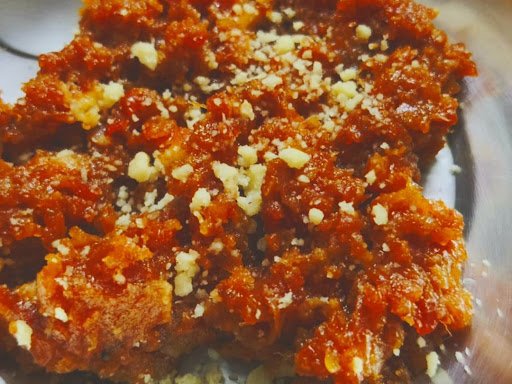
7986+5RH, KOCHBONG, Ranchi Ring Rd, near BHUSUR CHOWK, Ranchi, Jharkhand 834004, India
None
Tribal Food, located near BHUSUR CHOWK on Ranchi Ring Rd in Ranchi, Jharkhand, presents an authentic glimpse into indigenous Indian cuisine, reflected in its solid 4.2 rating. This establishment offers a unique culinary experience focused on traditional tribal flavors, providing diners with a chance to explore lesser-known but rich aspects of Indian gastronomy within a casual setting.
| Thursday | 8 AM–11 PM |
| Friday | 8 AM–11 PM |
| Saturday | Closed |
| Sunday | 8 AM–11 PM |
| Monday | 8 AM–11 PM |
| Tuesday | 8 AM–11 PM |
| Wednesday | 8 AM–11 PM |
- More information
- What kind of indigenous tribal food specialties are commonly found or celebrated in the region near Ranchi, Jharkhand, associated with this cultural area?
- How does the cooking methodology for traditional tribal cuisine in India differ from mainstream Indian cooking styles?
- Are there any specific nutritional aspects or traditional health benefits attributed to the staple diets consumed by various tribal communities in India?
- Where can one potentially experience or taste authentic tribal food preparations similar to those found in Eastern India, given the location context of Jharkhand?
More information
What kind of indigenous tribal food specialties are commonly found or celebrated in the region near Ranchi, Jharkhand, associated with this cultural area?
The tribal food culture prevalent in regions like Ranchi, Jharkhand, emphasizes locally sourced, organic, and seasonal ingredients, often utilizing forest produce. Key specialties typically include staples like various types of millets (like Ragi or Kodo), preparation of bamboo shoot dishes, wild greens (like Sarai leaf preparations), and meats such as chicken, goat, or sometimes wild boar, usually cooked using traditional methods like steaming or slow roasting to preserve nutritional value.
How does the cooking methodology for traditional tribal cuisine in India differ from mainstream Indian cooking styles?
Tribal cooking methodology significantly differs due to its reliance on minimal processing and reliance on natural cooking environments. Techniques often involve open fire cooking, wrapping food in natural leaves (such as tendu or sal leaves) for steaming or baking underground, and using less refined ingredients like unpolished grains and herbs gathered directly from the forest, contrasting with the extensive use of refined flours, processed spices, and deep-frying prevalent in many mainstream Indian culinary practices.
Are there any specific nutritional aspects or traditional health benefits attributed to the staple diets consumed by various tribal communities in India?
Yes, tribal diets are often inherently healthy due to their connection with biodiversity and reliance on unprocessed foods. Staples like millets and coarse grains are high in fiber, iron, and minerals, supporting good digestive and long-term health. Furthermore, the abundant use of wild vegetables and herbs, often containing high levels of antioxidants and medicinal properties, contributes to resilience and specific traditional health benefits valued by these communities.
Where can one potentially experience or taste authentic tribal food preparations similar to those found in Eastern India, given the location context of Jharkhand?
To experience authentic tribal food preparations, one should seek out community-run eateries or specific cultural food festivals hosted in cities like Ranchi (near locations such as Kochbong) or look for dedicated sections within larger cultural food markets. It is best found where the food is prepared by community elders or local tribal collectives, as this ensures the adherence to traditional recipes and sourcing practices that define authentic tribal cuisine.

Añadir comentario