
Puducherry, that shimmering sliver of French colonial charm tucked against India’s southeastern coast, offers more than just seaside promenades and quiet boulevards; it houses a quiet constellation of culinary excellence. While the aroma of South Indian filter coffee often dominates the morning air, a discerning palate seeks deeper, spicier narratives. Venturing into the local dining scene reveals that this vibrant locale has become an unexpected convergence point for some of the subcontinent’s most beloved regional fare. Within this rich gastronomic tapestry, the emergence of dedicated specialty kitchens tells a compelling story of migration and delicious adaptation.
7, Ambalathadayar Madam St, opposite P K Snacks, Heritage Town, Puducherry, 605001, India
+91 87782 69832
4.5/5 (Read the Reviews)
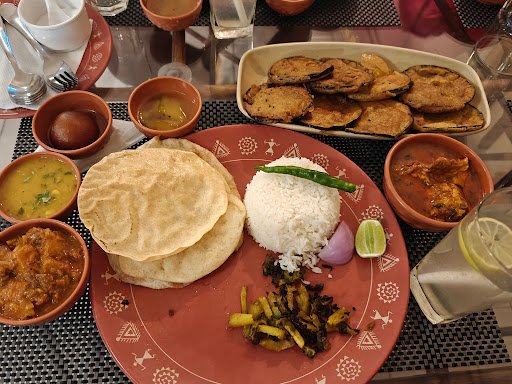
Stepping into Whole Spice Kitchen is akin to unlocking a curated portal to the subcontinent’s most cherished flavors, an essential stop for any serious enthusiast of Indian gastronomy located at 7, Ambalathadayar Madam St. This establishment masterfully navigates the deep currents of regional identity, specializing compellingly in authentic Bengali preparations while flawlessly executing robust North Indian and Tandoori staples, justifying its solid 4.5 rating through layered tastes that speak directly to heritage and mastery of technique. For those pursuing the genuine resonance of Indian food—beyond the superficial—Whole Spice Kitchen offers an undeniably persuasive culinary destination that transforms simple dining into a flavorful discovery.
| Friday | 12–3 PM, 6:30–10:30 PM |
| Saturday | 12–3 PM, 6:30–10:30 PM |
| Sunday | 12–3 PM, 6:30–10:30 PM |
| Monday | 12–3 PM, 6:30–10:30 PM |
| Tuesday | Closed |
| Wednesday | 12–3 PM, 6:30–10:30 PM |
| Thursday | 12–3 PM, 6:30–10:30 PM |
- More information
- What is the primary focus of the cuisine offered at Whole Spice Kitchen, given its multi-faceted description as Bengali, North Indian, and Tandoori?
- How might a first-time visitor distinguish the Bengali specialty items from the North Indian selections on the menu?
- Since ‘Tandoori’ is mentioned, can we assume vegetarian options are readily available alongside the meat-focused dishes typically associated with Tandoori cooking?
- Considering the location in Puducherry (a South Indian coastal area), how does the regionality of Whole Spice Kitchen’s primary cuisine (Bengali/North Indian) influence the freshness of its ingredients?
More information
What is the primary focus of the cuisine offered at Whole Spice Kitchen, given its multi-faceted description as Bengali, North Indian, and Tandoori?
The menu at Whole Spice Kitchen showcases a delightful culinary triangulation. While the restaurant clearly specializes in Bengali Speciality Cuisine, offering dishes distinct to that eastern region of India (often characterized by unique spice blends and fish preparations), it complements this specialization with offerings from North Indian and Tandoori traditions. This means patrons can expect staples like rich curries and creamy dishes alongside the authentic, smoky flavors derived directly from the Tandoor oven, such as naan breads and kebabs, providing a comprehensive taste of diverse Indian culinary geography.
How might a first-time visitor distinguish the Bengali specialty items from the North Indian selections on the menu?
Distinguishing between the Bengali and North Indian offerings often comes down to key ingredients and preparation style. North Indian cuisine, prevalent across much of India, heavily features rich gravies, dairy elements like paneer or cream, and often uses wider spice profiles associated with Mughlai influences. Conversely, Bengali dishes tend to have a lighter touch with spices, sometimes incorporate mustard oil for flavor, and place a significant emphasis on fresh seafood and river fish preparations, which might be less common in purely Tandoori/North Indian restaurants. When in doubt, asking the staff to highlight their specific Bengali recommendations will be your best guide.
Since ‘Tandoori’ is mentioned, can we assume vegetarian options are readily available alongside the meat-focused dishes typically associated with Tandoori cooking?
Absolutely. The mention of Tandoori Cuisine primarily refers to the cooking method—using a cylindrical clay oven—rather than strictly specifying the protein. While Tandoori often conjures images of *Chicken Tikka* or *Seekh Kebabs*, the modern Tandoor oven is incredibly versatile. Therefore, you can confidently expect excellent vegetarian Tandoori options such as *Tandoori Gobi* (cauliflower), *Paneer Tikka*, or various vegetable skewers, often marinated beautifully before being cooked directly against the oven walls, imparting that signature smoky char.
Considering the location in Puducherry (a South Indian coastal area), how does the regionality of Whole Spice Kitchen’s primary cuisine (Bengali/North Indian) influence the freshness of its ingredients?
This is a very perceptive question; the geographic location does present an interesting dynamic. While Puducherry is inherently South Indian, Whole Spice Kitchen bases its core identity on North and East Indian profiles, meaning they import the necessary flavor profiles and, sometimes, key ingredients specific to Bengali cooking. However, being in a coastal city like Puducherry provides an excellent advantage for sourcing very fresh, high-quality seafood, which is crucial for authentic Bengali fish curries (*macher jhol*). Therefore, the freshness of local produce and seafood should be high, even as they maintain the distinct regional tastes imported from the North and East through their proprietary spice blends.

Añadir comentario